All Activity
- Today
-
Just in case you were disappointed at missing this one, he has sold two and has another two remaining...
-
I would message the seller, but with a feedback of zero and such a cock up of a listing I cannot imagine they would respond.
-
 Ronnie112358 joined the community
 -
I also noticed a spelling mistake in the seller description…‘certified’ has been spelled incorrectly. I’m pretty certain that either the buyer or seller would need to be certified?
-
Victoria not looking her best https://www.ebay.co.uk/itm/800843380579?itmmeta=01M5Y8QYJPVNDVTD17WE529P6E&hash=itemba75fc3763:g:5WwAAeSwRD5q4FGZ&itmprp=enc%3AAQALAAAAwCHNgUiiE%2FjQhlDTaMiAde8bHv6%2B83BpYHviYhRXPNyyLSGEyET%2BkoJiqhq0LjWtlQjHs4TJbk850ubzIgdT2ShNbF%2FQ0OsLoD%2BnbWjOwSl9%2BTkwuU%2F1LhsMu6HXy6MydAOkMqkEbgr0ucw%2Fv6XZR2VKg3g96NaaAJwVPR7sH5Gcm7kjqTQ8wdr5Fy34Er8sWubzxQuapdd4tGIwJDK2a4S24elMx6ZTrIme3Hv1U64yE9YWQEfZwwKOPqT%2BP%2BiKPg%3D%3D|tkp%3ABk9SR9jp38ivaA
- Last week
-
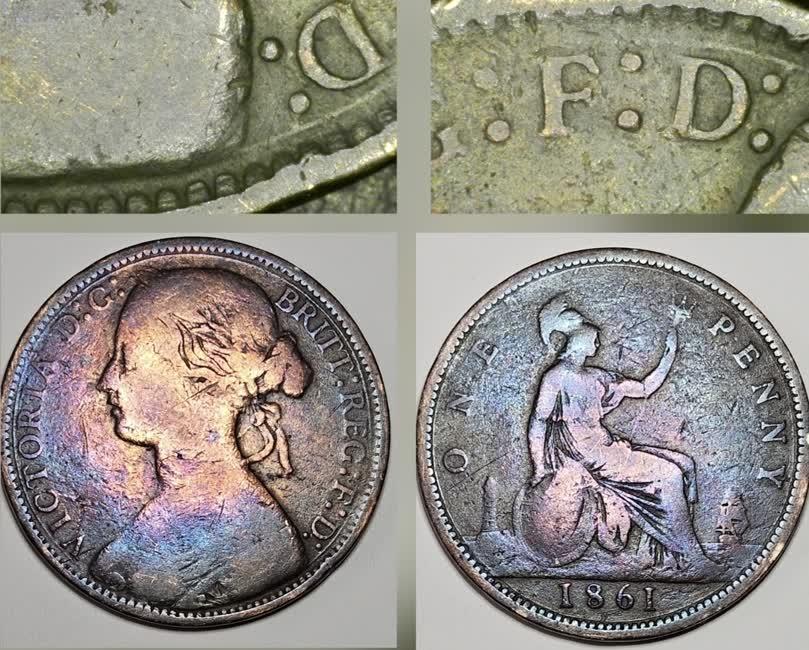
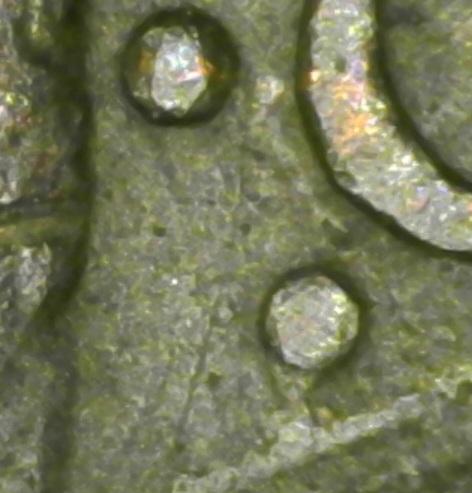
Hi, first topic from me here. I believe that all obverse 6 has the colon after the D from F:D: flawed, but I did found one with a perfect round colon, the flaw can still be seen below of it, like i it was re punched?, this is the only one I have ever seen like this. Is this a new or micro variety?
-
 Wesley joined the community
 -
Henry II Tealby Penny: Attribution help requested
Coinery replied to Overlord's topic in British Hammered
Good point! -
Henry II Tealby Penny: Attribution help requested
Rob replied to Overlord's topic in British Hammered
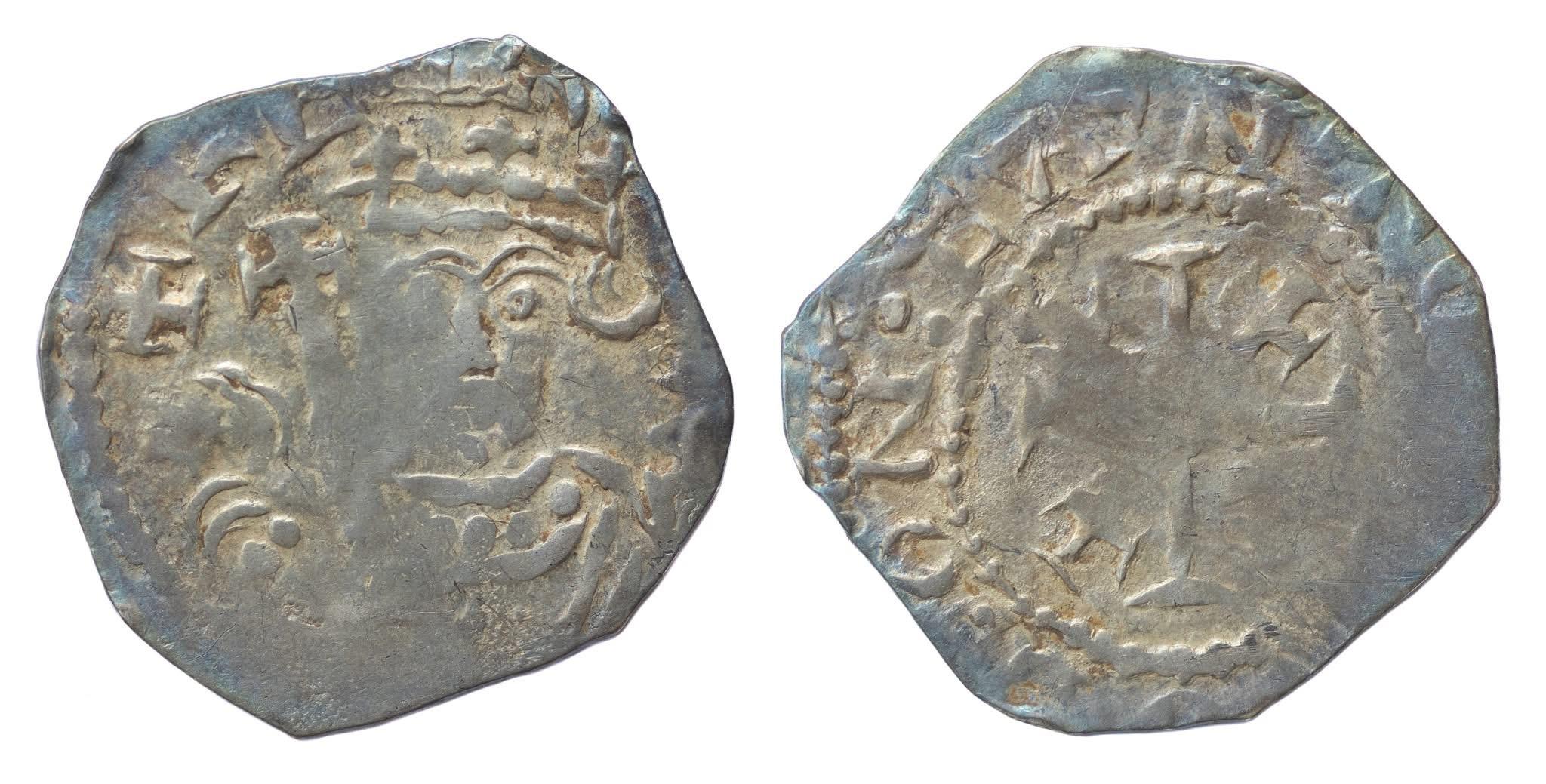
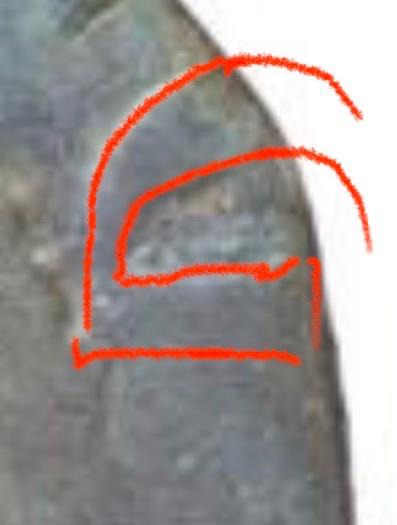
The mint signature is certainly CANTO at the top of the rev. picture because there is no sign of a termination. Where it would be is flat, and it doesn't matter whether it is a colon or initial cross, it ain't visible. RAVL is a distinct possibility given the width of the A. I'll bear that in mind. If the curl inside the C is an R tail, we are halfway there. The following A would be super-imposed on the A of the moneyer name, so possible slightly different profile given the possibility of made up letters from lines, crescents and wedges. The mint signature looks to cover about 150 degrees of the legend -
 Graded Proof 64 at PCGS, and IMHO every bit that.
 -
 All I know is that the collector lived in Australia which is why the collection was later sold through Noble Numismatics. The only coins I recognised were the 1826 copper proofs. These were bought at a Spink sale in 2012 or 2013 - though they got the date of the Spink sale or lot numbers slightly out in the NN footnotes. I remember penny to farthing went for £1.5K, £1.1K and £400 respectively back then, but they were noted as ex-Peck and referenced to an earlier Glendinings (? from memory) sale of all three coins sold as one lot in 1966. All three were beautifully toned semi-lustrous proofs. One possibility might be to ask Noble Numismatics to forward a message to the collector, if he's still alive that is. Otherwise you could specify the coin(s) on here and see if anyone might know.
 -
Henry II Tealby Penny: Attribution help requested
Coinery replied to Overlord's topic in British Hammered
With Rob’s proposition for a shorter name, I wonder whether it might be RAVL? There’s certainly a hint of the V My only other thought is, if the city was CANT, with the O being a G instead (the 2nd curve of the ‘O’ looks straighter, so a possibility I guess?), then GOLDHAVOC could also work? A die-match will be the only sure way of answering the question.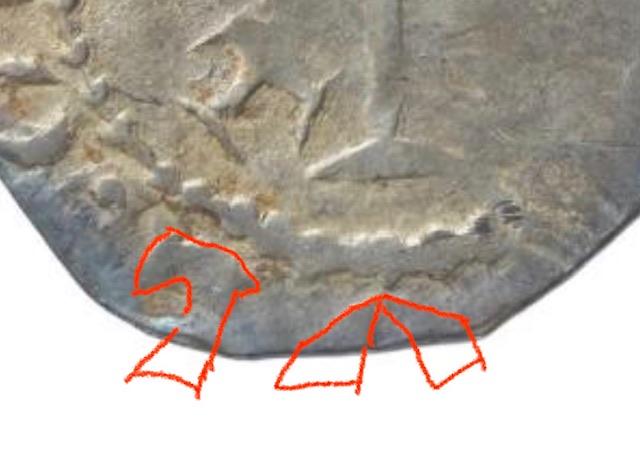
-
Henry II Tealby Penny: Attribution help requested
Ukstu replied to Overlord's topic in British Hammered
Rogier ? Stu. -
Stuff to make us Laugh vers.2.0
alfnail replied to blakeyboy's topic in Nothing whatsoever to do with coins area!

-
Henry II Tealby Penny: Attribution help requested
Rob replied to Overlord's topic in British Hammered
I think Alferg is only known for Bust A and this is Bust E with the hair curl, drapery joined at the left shoulder and a single row of pellets with pellet below. It doesn't look like E1 as there is no obvious triangle of pellets below the collar, so probably E2 or E3. All with the caveat that it is clearly double struck. Mint reading is CANTO, which should mean a shorter name. I'll try to dig out Allen to see if there is a die match when I clear the crap off the floor. The key will be the relative positions of the sceptre, + and hEN if there is a die match to be made, and a lot of reverse dies can be eliminated with the long mint signature. -
 krsmas joined the community
 -
 MinelabExplorer joined the community
 -
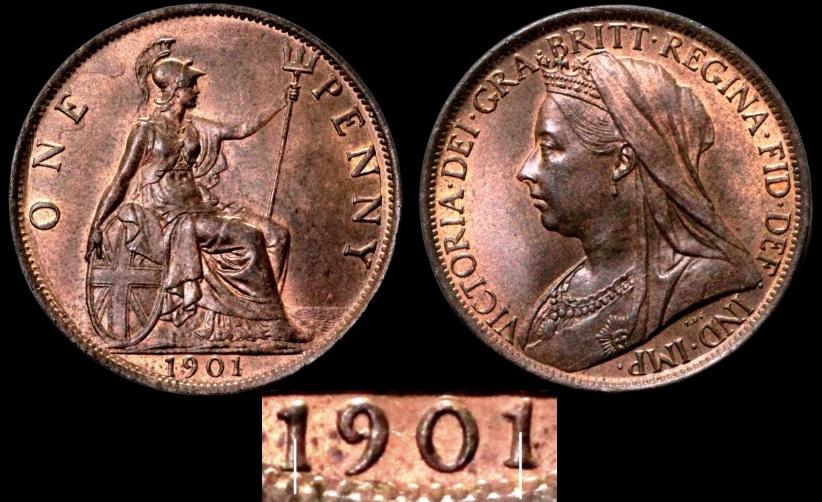
 On Terrys example shown in Michaels book if you look closely there is a slanted line under the 9 in the date which is visible on my coin also shown on Peter's coin he posted on facebook a while back. The slight doubling? to the zero is shown on both coins, the shape and postion of all the teeth match, the height of the last 1 and its location over the gap are the features I noticed when comparing my coin to Terry's.
 -
Starting a new thread for this coin because the forum software gave me an attachment space error on my previous post. Linking my original post here for the initial discussion background. I finally found one !
-
Henry II Tealby Penny: Attribution help requested
Ukstu replied to Overlord's topic in British Hammered
Not 100 % sure but i think the last letter before the colons and ON is a G. So Alferg ? Perhaps. There is only two listed on the fitzwilliam corpus to compare with. Sadly one has no image and the other is just not that detailed due to wear. -
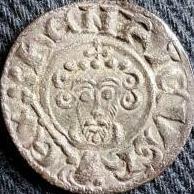
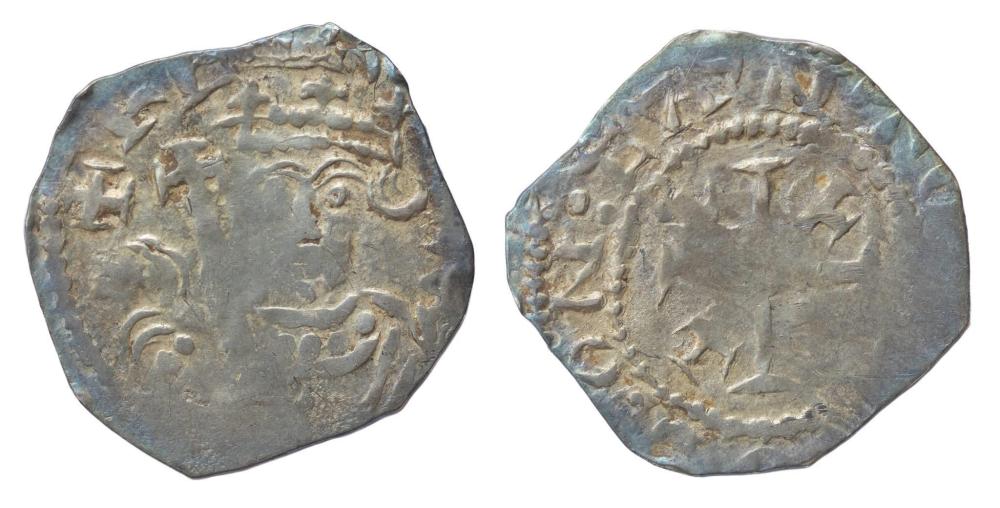
Hi. Sharing a Henry II Tealby Penny from Canterbury. Can the moneyer's name be attributed from the little that is on-flan?
-
It's certainly strange, but I wonder if it really is an 8 and not something else. FWIW I think that the top 8 has a smaller top loop (as expected), but on the lower one both loops look equal size.
-
 NickB joined the community
 -
Following on from a recent post that was about Rupees, I revisited my hoard of Empire Coins and thought this would be worthy of a share, a Victorian 1886 Canadian 5 Cents that has a date No' 8 below the main date No' ...how did this happen ?
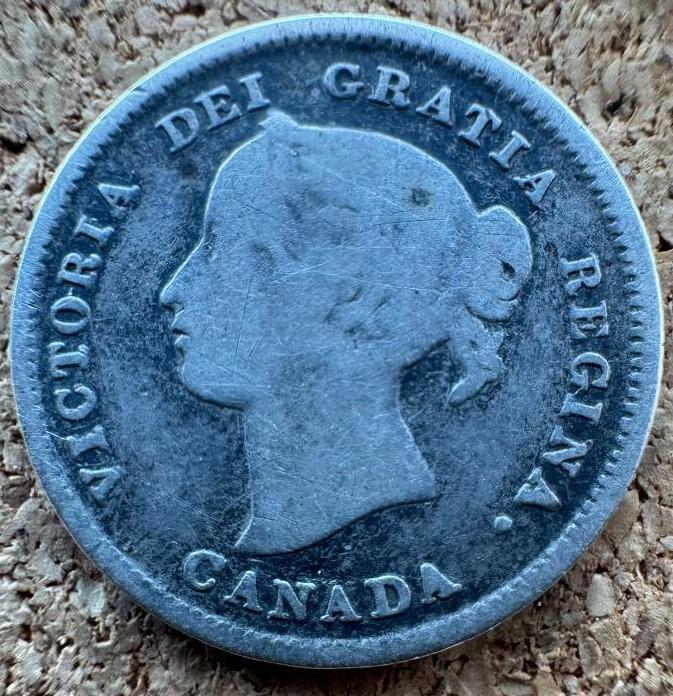
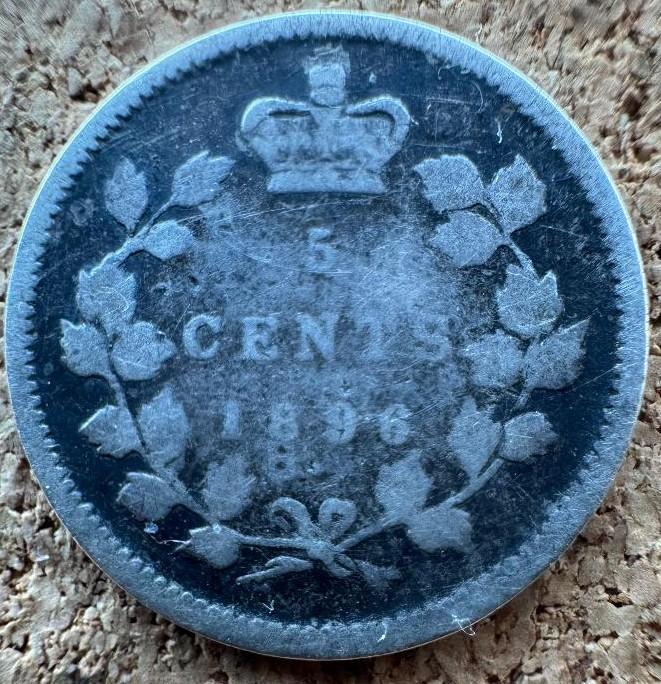
-
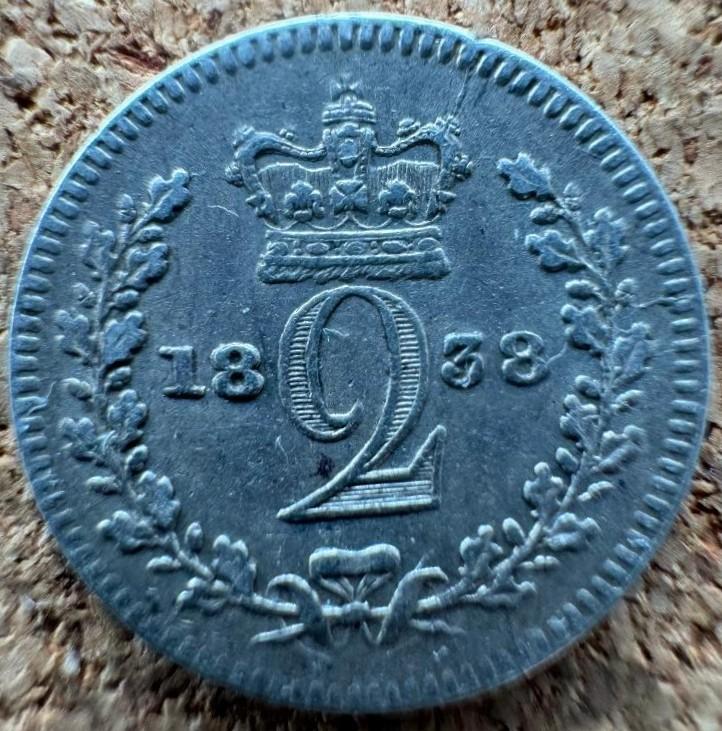
-
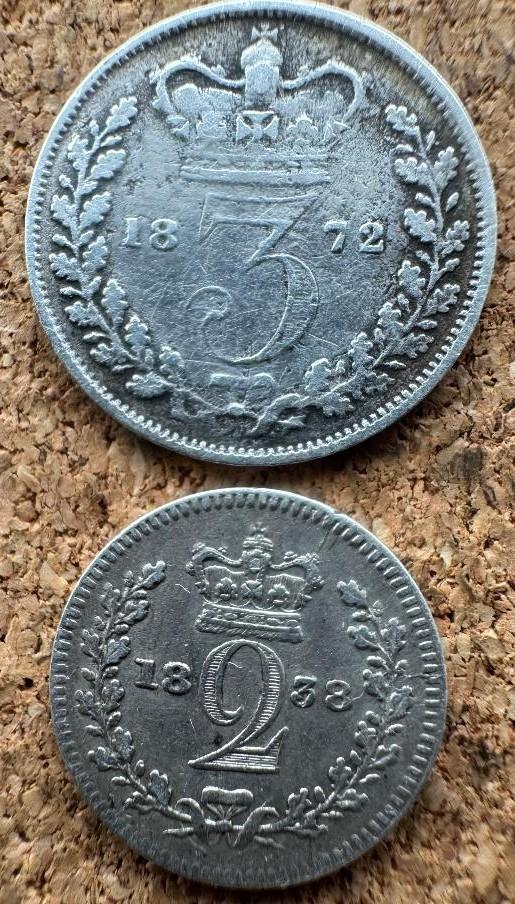
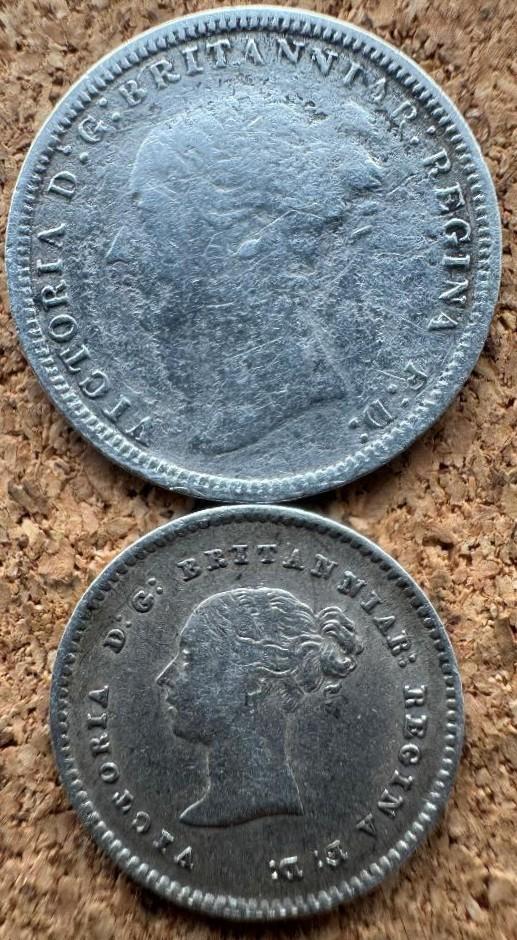
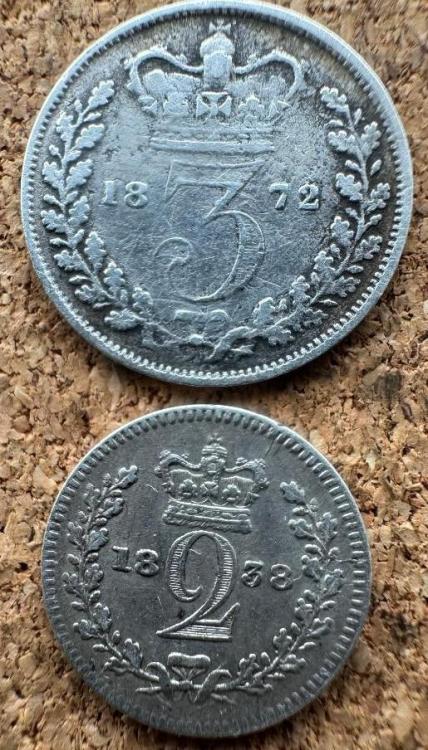
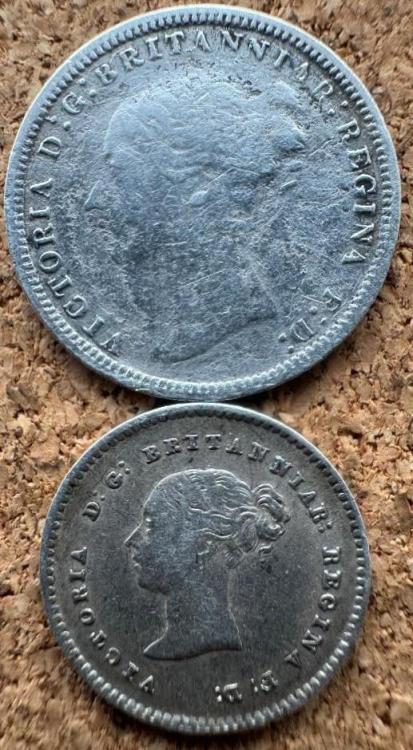
these two have faults, the 3 pence would be easy to dismiss until I took a closure look. on the obverse, the bust looks corroded or so I thought taking a closure look at the letters the "A's seem deformed, the area by the front of the nose looks corroded ? I undersatned to coin is rubbed but thought i was worth looking into, 🤔 The 2 Pence has cracks going to the right hand of the top of the crown, also at the 3 o'clock ... I do like a fault. 👍
- Earlier
-
I'm still finding interesting Empire coinage as I sift through..... these I had but not ventured near in over 35 years, now I have a page that covers different monarchs, dates and country's.... I do like the colonial use coins as well, 👍
-
 Overlord joined the community
 -
The point about the gilts was of course that a surface layer need not be removed by scratching, nothing to do with identification of the variety. The silvered 1841 colon currency penny in the latest Spink auction, initially wrongly described as the silver proof, was heavily marked and worn but with the coating fully intact. In that case though the silvering was probably applied to an already worn and marked coin, unlike with Soho gilts where any markings, scratches etc would happen to the already gilded coin. The halfpenny is nowhere near worn enough to cancel out the circa 15% increase in weight that would be observed in a sterling silver analogue of similar dimensions. So the weight would be useful to know.
-
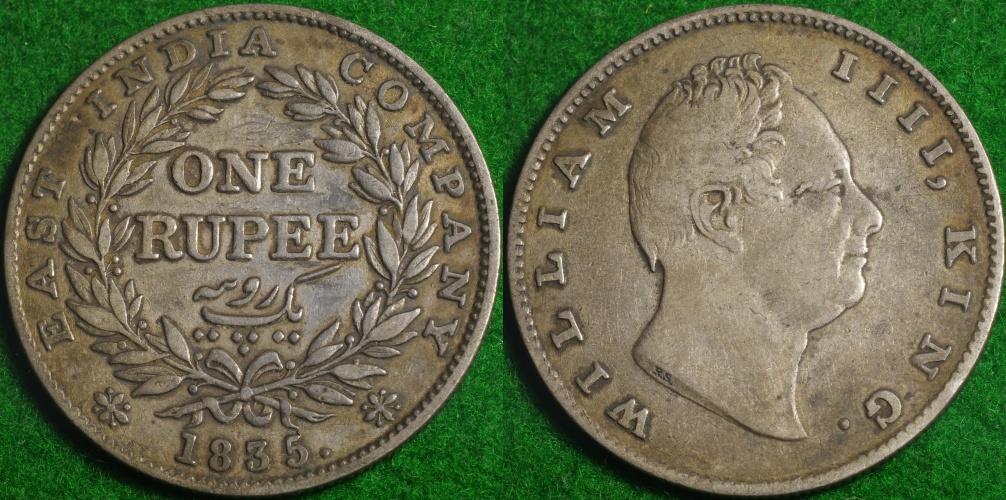
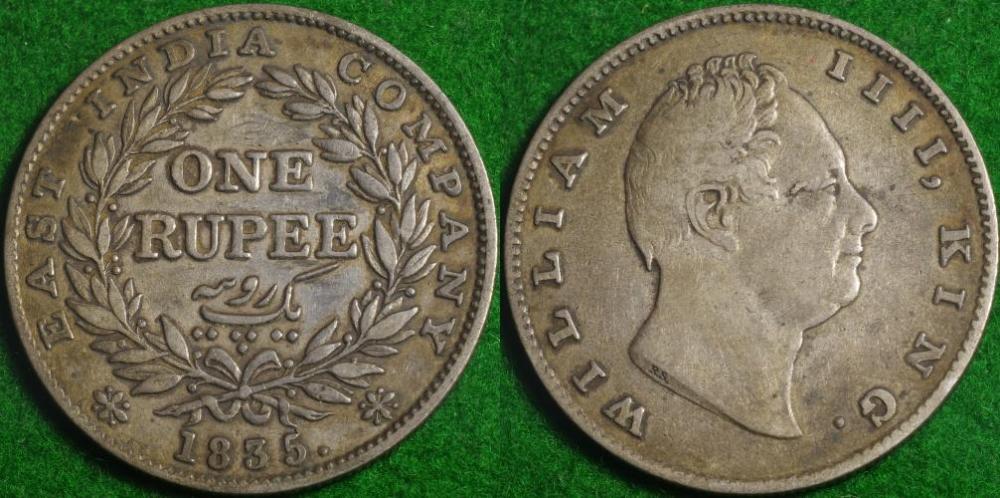
I only have one these days. 20 years ago I bought a whole collection of Indian silver including several dozen assorted Rupees, but sadly I sold them all. This is William IV, 1835:
-
I cant upload a picture? Says " You have used all of the attachment space you are allowed per post. Manage Attachments to free up space" I have sent you a message with the image, many thanks.