Leaderboard

Popular Content
Showing content with the highest reputation since 09/21/2026 in Posts
-
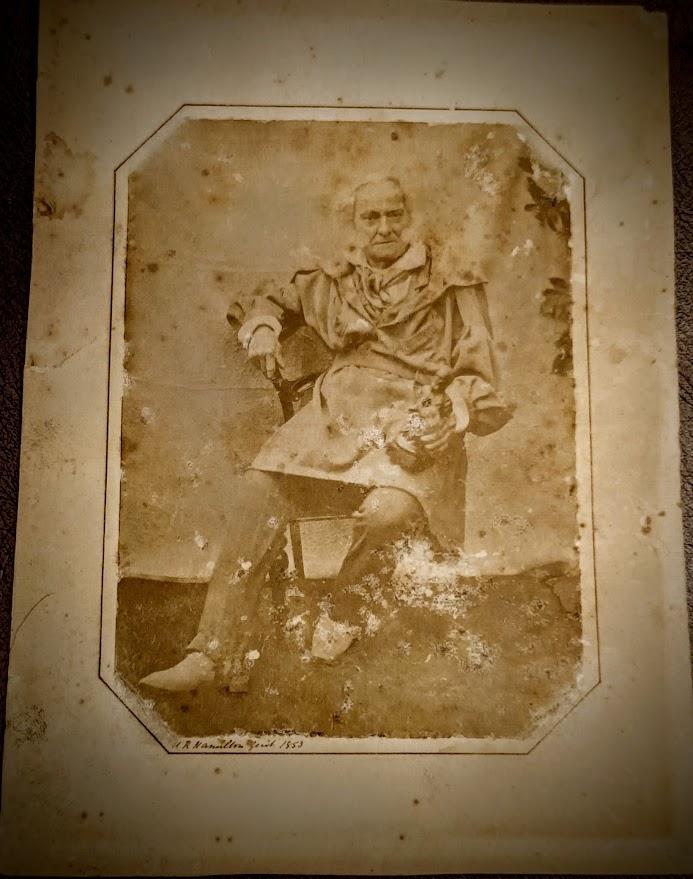
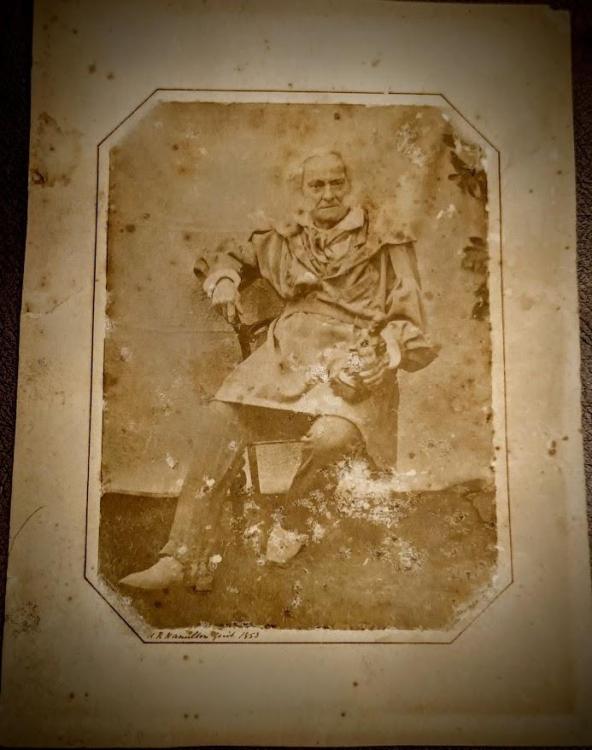
Benedetto Pistrucci, arguably the most famous coin engraver, was born in 1783 and died 1855. He was 56 years old at the time of the first photographic portrait. Only two years before his death he was photographed by Arthur R Hamilton. This is, to my knowledge, the only time he was photographed - and could reasonably be the first photograph of a British coin engraver! Most of the images you will find are later (1870-90) reproductions of the original photograph - identified by the black/gray card they are mounted on. I am fortunate enough to be the owner of the original photograph from 1853, signed by the photographer - to my knowledge it is the only one made from the negative and thus the true original piece!
 8 points
 -
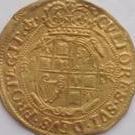
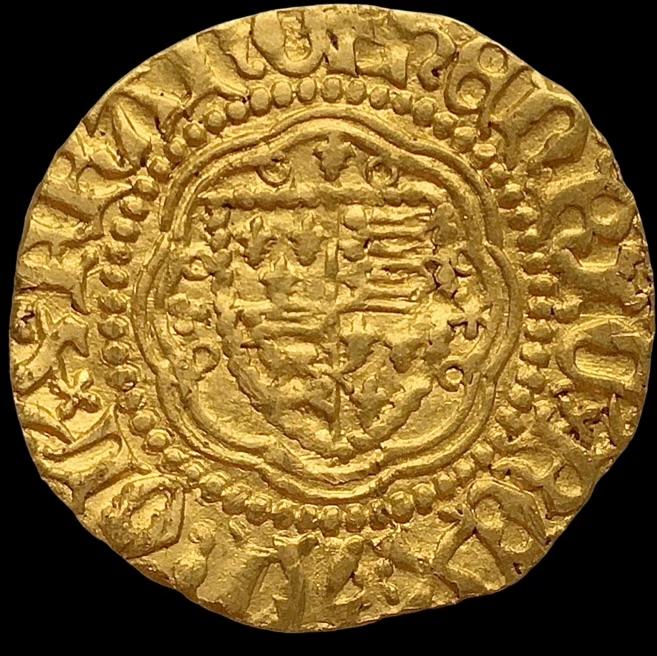
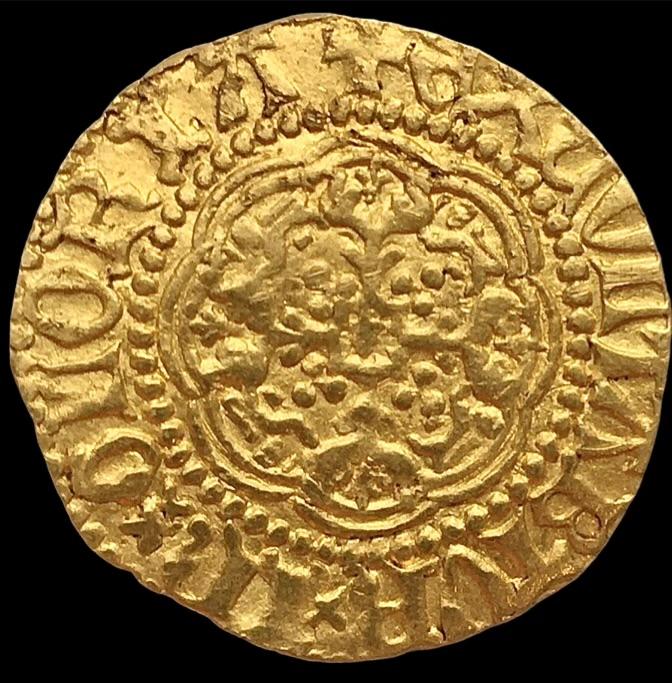
Henry v 1413-22 Quarter Noble Spink 1757Var. 1.71g Obverse: HENRIC REX ANGL FRANC within treasure of arches, stops of various shapes. Trefoil to left and mullet to right. Reverse: EXCVLTABTUR IN GLORIA (“He shall be exalted in glory”). Cross with lions in angles: lis in centre. Mullet to the right was to distinguish the kings new mint master Lewis John. Henry v’s first mint master. Appointed to the role on 14th April 1413. The trefoil was used as a periodic privy mark to identify a specific minting window die variation or administrative shift within the tower mint. The Annulets (small circles) placed around the arches served the exact same high-utility purpose as the ones next to the central shield or to top. They acted as a subtle internal code to identify the exact sub-series, die variation, and specific mint run. The “1757 Var” Designation: in British numismatics “1757” refers to the ID in the Spink standard catalogue of British coins. The “Var” (variety) means it features a distinct die error or sub type -specifically, a spelling variation, in the reverse Latin legend that reads EXCVLTABTVR instead of the standard EXALTABITVR, (“He shall be exalted in glory”).
 6 points
 -
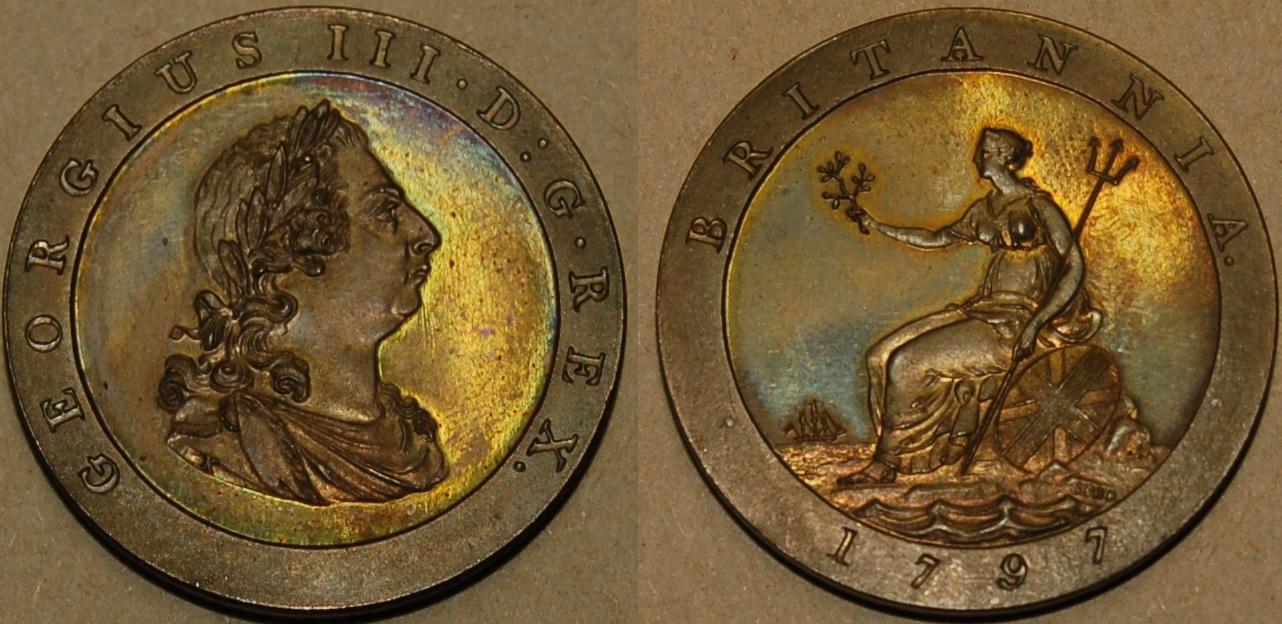
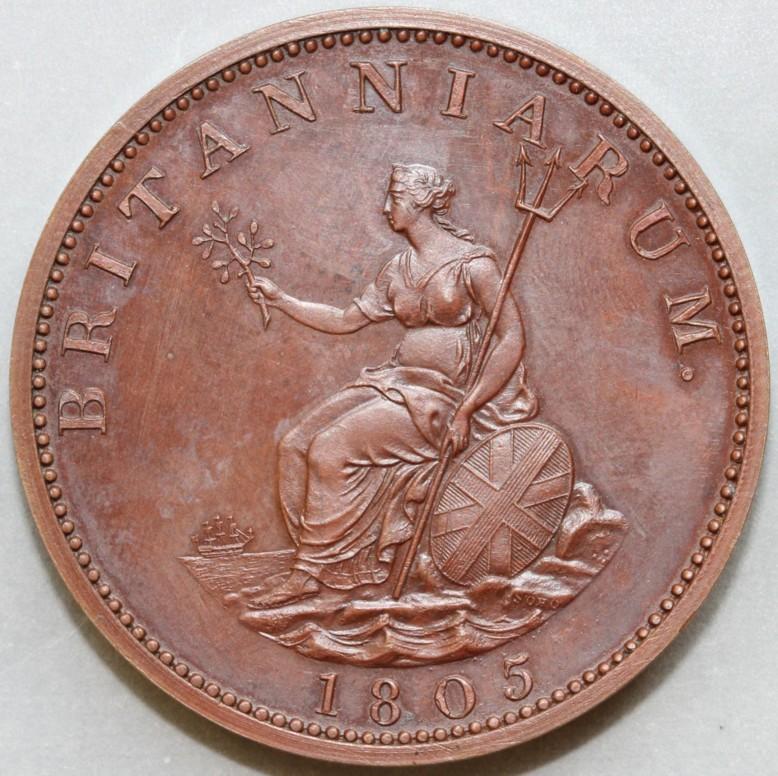
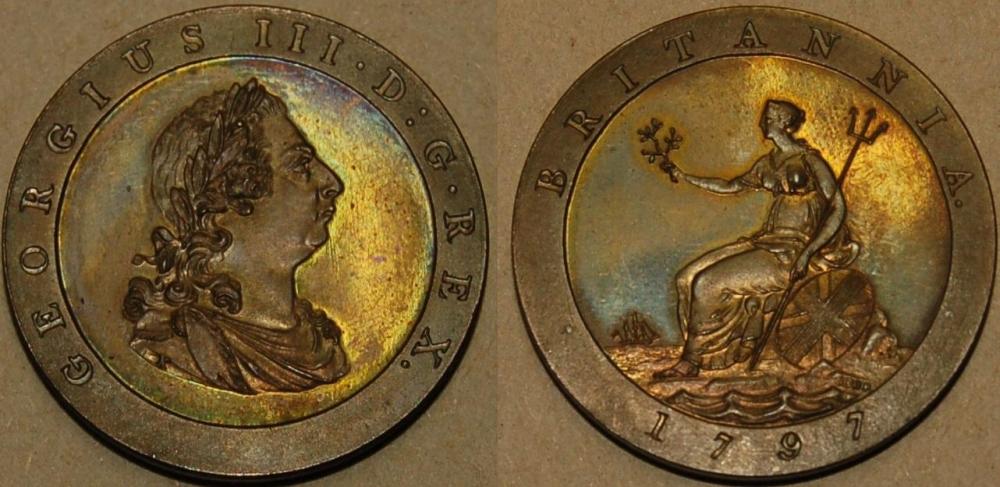
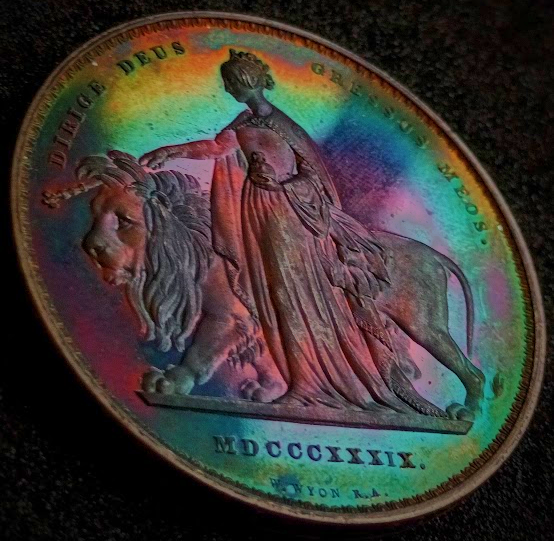
Silver is always going to be better than gold for toning, due to the latter's relative resistance to chemical reaction. Toned gold is usually due to the copper mixed to produce the correct fineness. As you will be aware, left to its own devices and in a fairly clean environment, it will mostly turn black from silver oxide. Establish what the chemicals responsible for the colour scheme were and you probably have a good indicator of London's atmospheric constituents since Victorian time, though the toning stripe that looks like Britannia let one go, is probably from the fabrics found in a mint set. Though as always, a lot depends on the angle of the shot relative to light source. 15 or 20 years ago, I posted a picture taken one sunny day when I had a tray of Soho patterns on the desk, and the various colours reflected onto the ceiling enabled me to individually identify all the pieces using colour alone. There was a mixture of copper, bronzed, gilt and silver, but all were distinctively coloured. I think I lost the image a few years ago when photobucket went dysfunctional, so will have to wait for the sun to make another appearance unless someone can locate it on the forum. Having said all that, the one below is an oil painting in most lights and from most angles. Apologies to those who have already seen it.
 4 points
 -
You need to stop this sort of thing right now !4 points
-
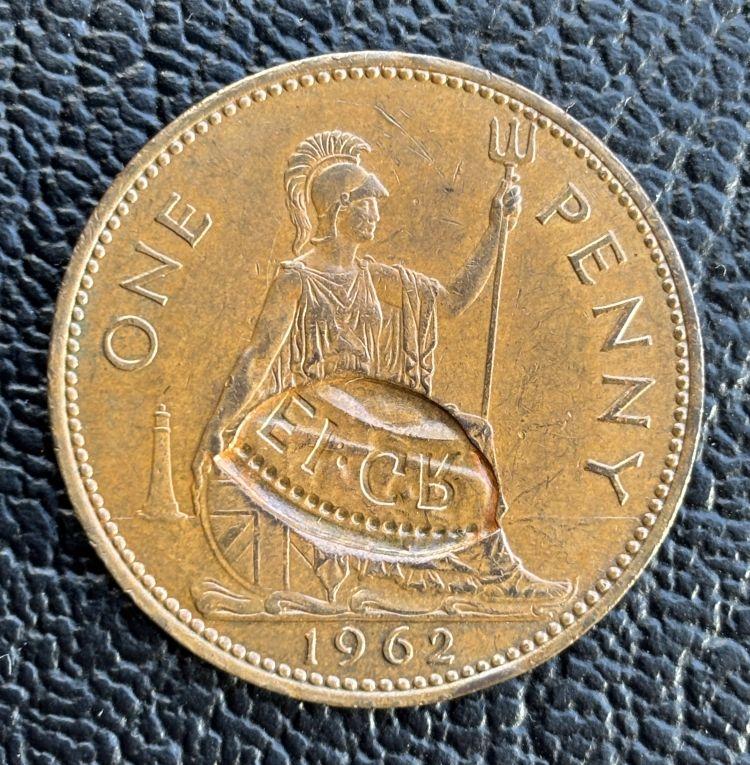
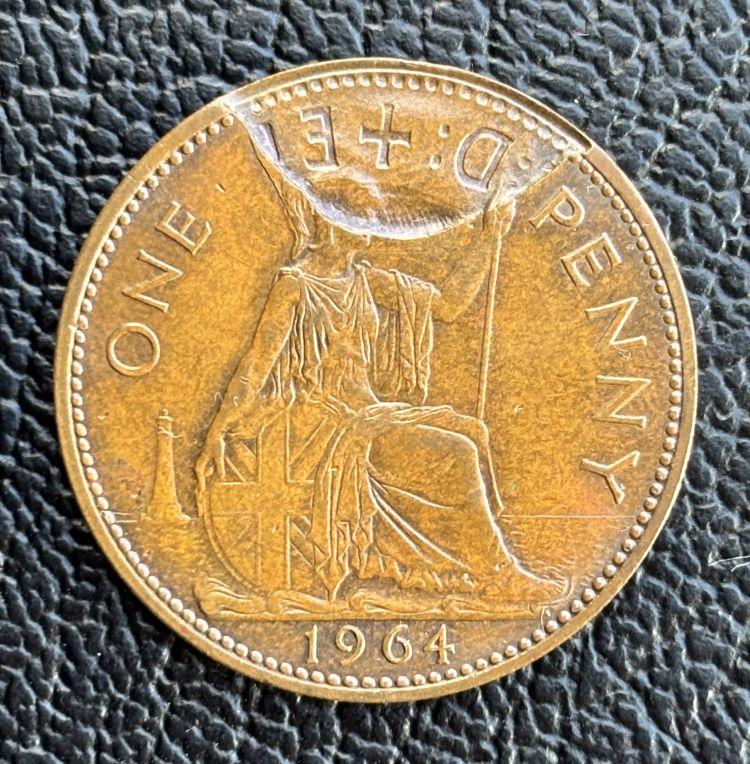
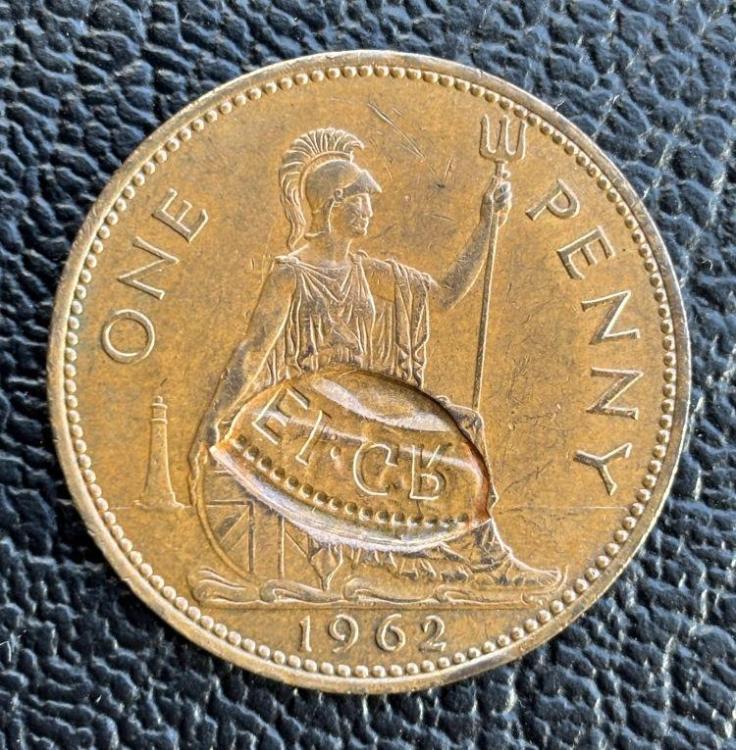
I can only suggest that when a brockage happens, the press is full of unwanted metal which in these cases shattered one of the flans with the remnant causing what is seen. The offending item did not bind to the full flan and fell off. It doesn't look concocted in either case, as the incuse legends are approximately correct for orientation, albeit displaced significantly in the first one.4 points
-
Hello, I am in the midst of writing a relatively large article on the 1887 Jubilee Coinage - estimated to be about 600pgs in total. In the process of such research, I spent about a week at the Royal Mint studying about ~200 tools relevant to the coinage and a similiar number of coins. Unfortunately, it seems that the Mint did not retain the original plaster models designed by Boehm. It often had seemed to be suggested that the relevant item(s) had been destroyed - a fact that I could not bear to hear! Hopefully, continuing the research into plaster models, with some vague hope of finding something, I did come across a 2010 Baldwin's sale, auction 68, which sure enough had a plaster model of the Jubilee Head! Well, I contacted Steve Hill of Sovereign Rarities, who worked at Baldwin's who confirmed that the piece sold to a bidder in Australia, and was since resold in auction 100 of Noble Numismatics (an Australian based auction house) after failing to sell in auction 99. I am now trying to contact the owner of such a piece, though I am having difficultly identifying who may own it. Should anyone have an idea of who may own it, it would be greatly appreciated for this to be shared with me. To my knowledge, it is likely an Australian collector, perhaps someone with a focus on the Jubilee coinage. Similiarly, if anyone has any high quality images of the copper electrotype described in BNJ 1984 by Graham Dyer, please would you be able to share it with me! Kind regards, -Ashley4 points
-
He would have said something like "I remember the old mismatics under Obama - they were rubbish, fake."4 points
-
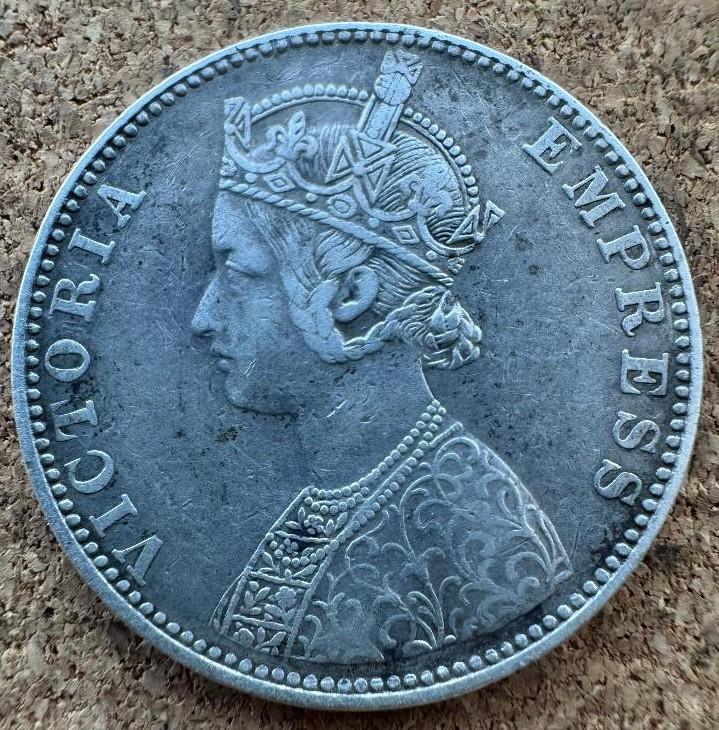
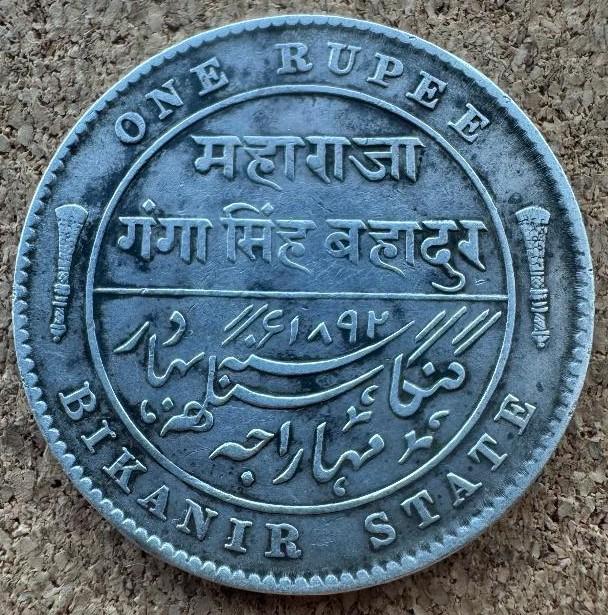
surfaced today amongst a mixed bag of foreign and 1950's British coin, glad I did take some time otherwise it would be on its way to the charity shop, so for your consideration a 1892. Victorian and Ganga Singh 1 Rupee, It was minted by the princely state of Bikanir under the British Rule. .917 Silver, Weight 11.45 g
 3 points
 -
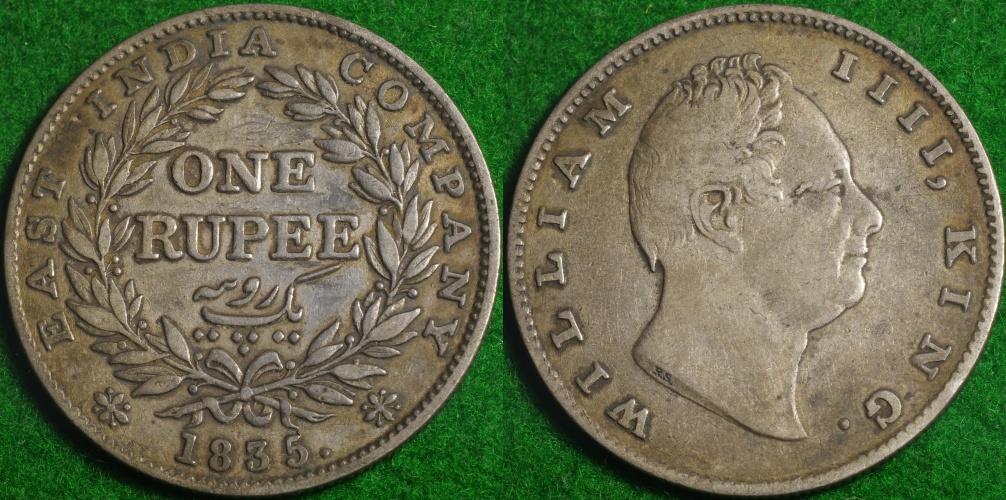
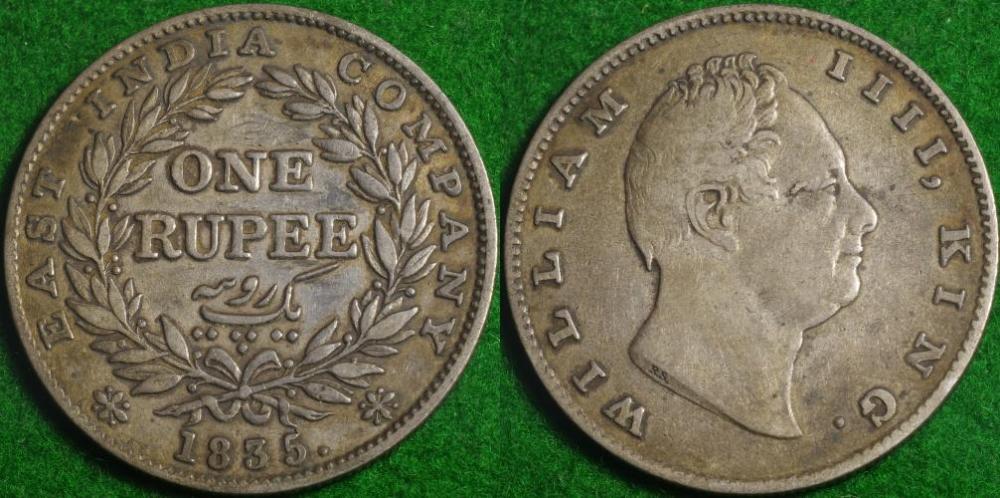
I only have one these days. 20 years ago I bought a whole collection of Indian silver including several dozen assorted Rupees, but sadly I sold them all. This is William IV, 1835:
 3 points
 -
Often when Una and the Lion's are mentioned, you first imagine gold! For me, it will always be this gorgeous silver pattern piece I had the chance to photograph. Stunning rainbow toning, never seen anything like it.
 3 points
 -
3 points
-
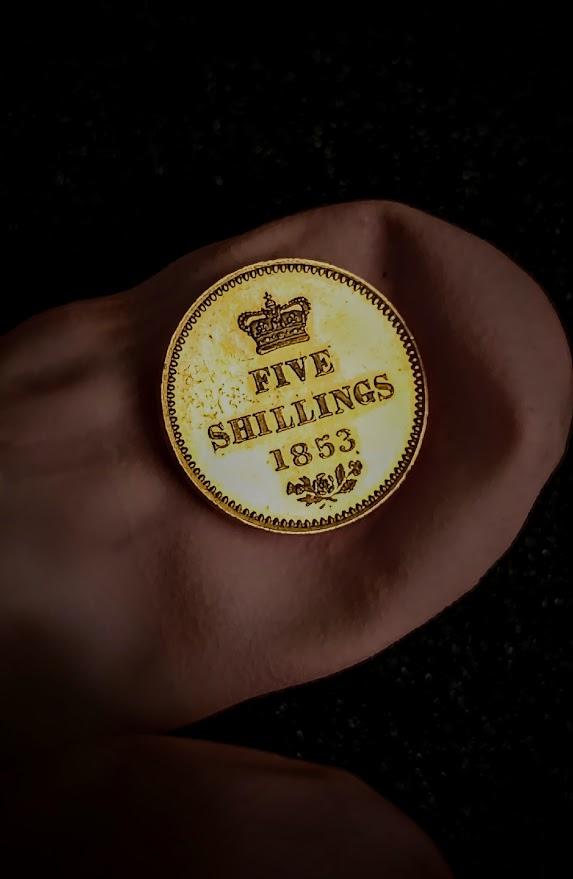
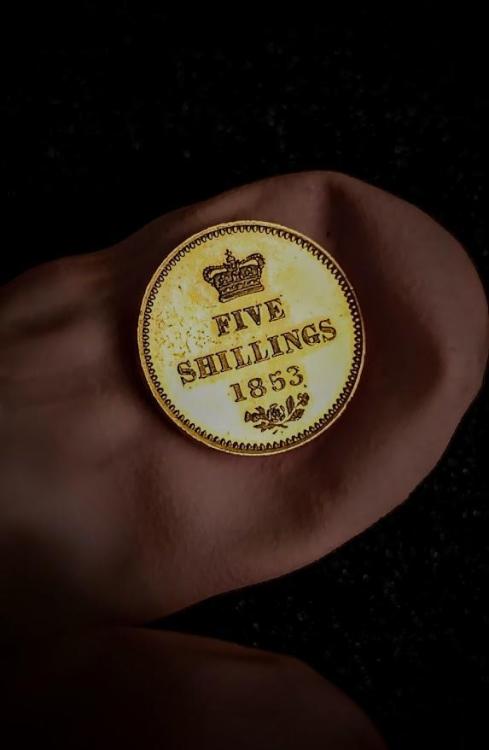
Just thought I'd share this image of a pattern five shilling piece in gold from 1853 which I handled in the RMM. Keep in mind, contemporary records show that there was discussion in parliament around this time that the half sovereign should be abolished for being too small a denomination to be made of gold, and of course the Royal Mint decided to make a smaller gold coin in response!
 3 points
 -
I may have jumped the gun, labelling this an imitation sterling! I’ve since discovered there’s actually a known class 9a coin with an ANL error and pellet on the breast, which is footnoted as extremely rare. I’d need to get a look at it in-hand…I’d be hoping that the S is top-tilted (it currently looks like it could be a mix of serifs)! We’ll see3 points
-
Never a dull moment on here. Always some drama 😆3 points
-
I understand how a full brockage happens, but not how a mis-shaped partial occurs. Can someone enlighten me please?
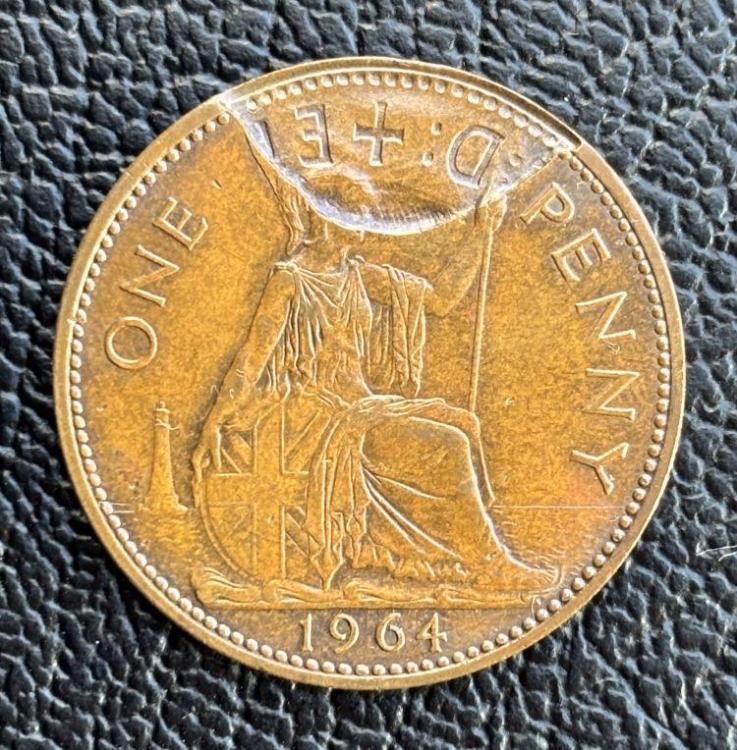 3 points
 -
I always like to see them, and have got better at Identifying them, but I have resisted collecting them. That is one huge rabbit hole to go down!3 points
-
Because they know no better and want to believe what they see. Unfortunately, knowledge requires some input from the prospective purchaser in the form of reading up the subject before buying. To me and you it is simple, but that's because we are interested in the subject matter. For the uninitiated just randomly looking for things that appeal visually, it's not a great step to hit the buy button. Sad but true. Ebay can't police the content sufficiently to make a difference, so once again, it relies on the moral compass of the seller. There should be a useful statistic in there somewhere for a number for Mr. Average's honesty coefficient, not to mention the gullibility coefficient of the typical buyer.3 points
-
Only halfpennies as it is a legacy collection. Basically I couldn't bring myself to do too much pruning as they were (mostly) too nice to throw out. And I couldn't see much point in getting rid of the unique dogs, such as the attached. An R24 in Aluminium - one that should have existed based on Peck's groupings, but he failed to locate an example. I suspect this was with a group of related aluminium die pairs at Spink when their building was bombed during WW2 and the corrosion is from water/electrolysis, as others within this group and struck in aluminium are similarly affected by water damage, albeit not as badly. See the Glens sale in the 60's or Selig's collection for other group examples. I picked it up on ebay in 2009 from the US - surprisingly nobody wanted it given its id but thankfully the condition eliminated the number chasers, so cheap as chips. . Happy days. Pennies, farthings and twopences are satisfied by an example of each type of style, rather than the nuclear option. Funds are too limited to go ballistic on all fronts.
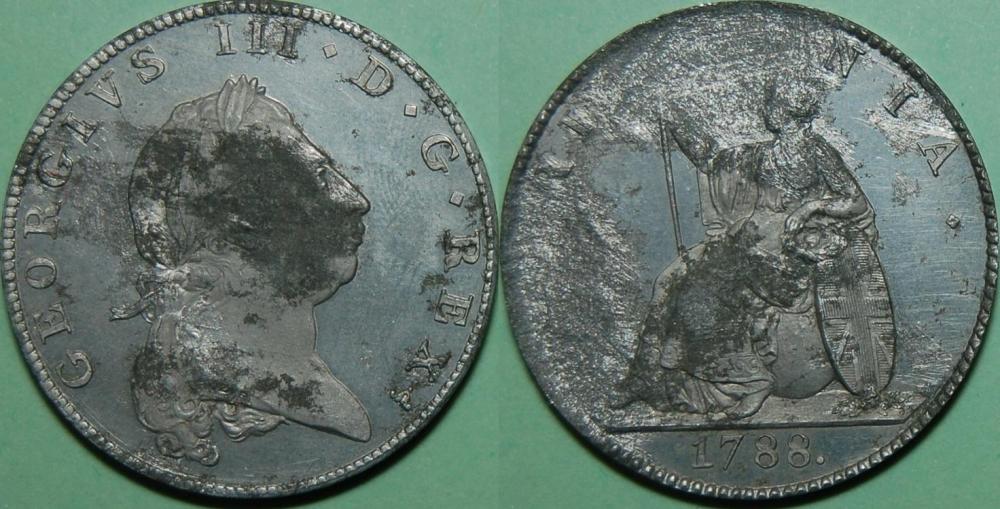 2 points
 -
I used to collect halfpennies and shillings as denominations, so the accumulation of Soho patterns was inevitable. I have however tempered my habits and now only 'need' an example of each Peck die pairing in whatever metal, as opposed to all die pairings in all metals.2 points
-
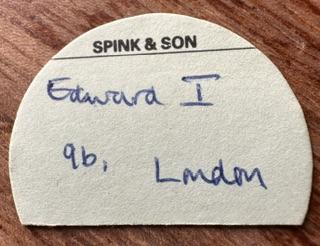
So, I can confirm that all the S’s are serpentine and belonging to 9b with no star on breast. There is no perforation of the flan, and the rust on the reverse was not part of the coin, and has for the most part flicked off. North did not identify any ANL errors for Class 9, though Wither’s, as Coys pointed out, has recorded a London 9a piece, but also a 9b1 (which this coin is) for York (but not London). Therefore, to the best of my knowledge, this is an unrecorded obverse for London. Interestingly it arrived with a Spink ticket with 9b on it, but no mention of the legend error! Only a phone image for now!
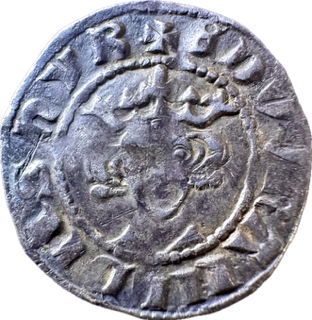 2 points
 -
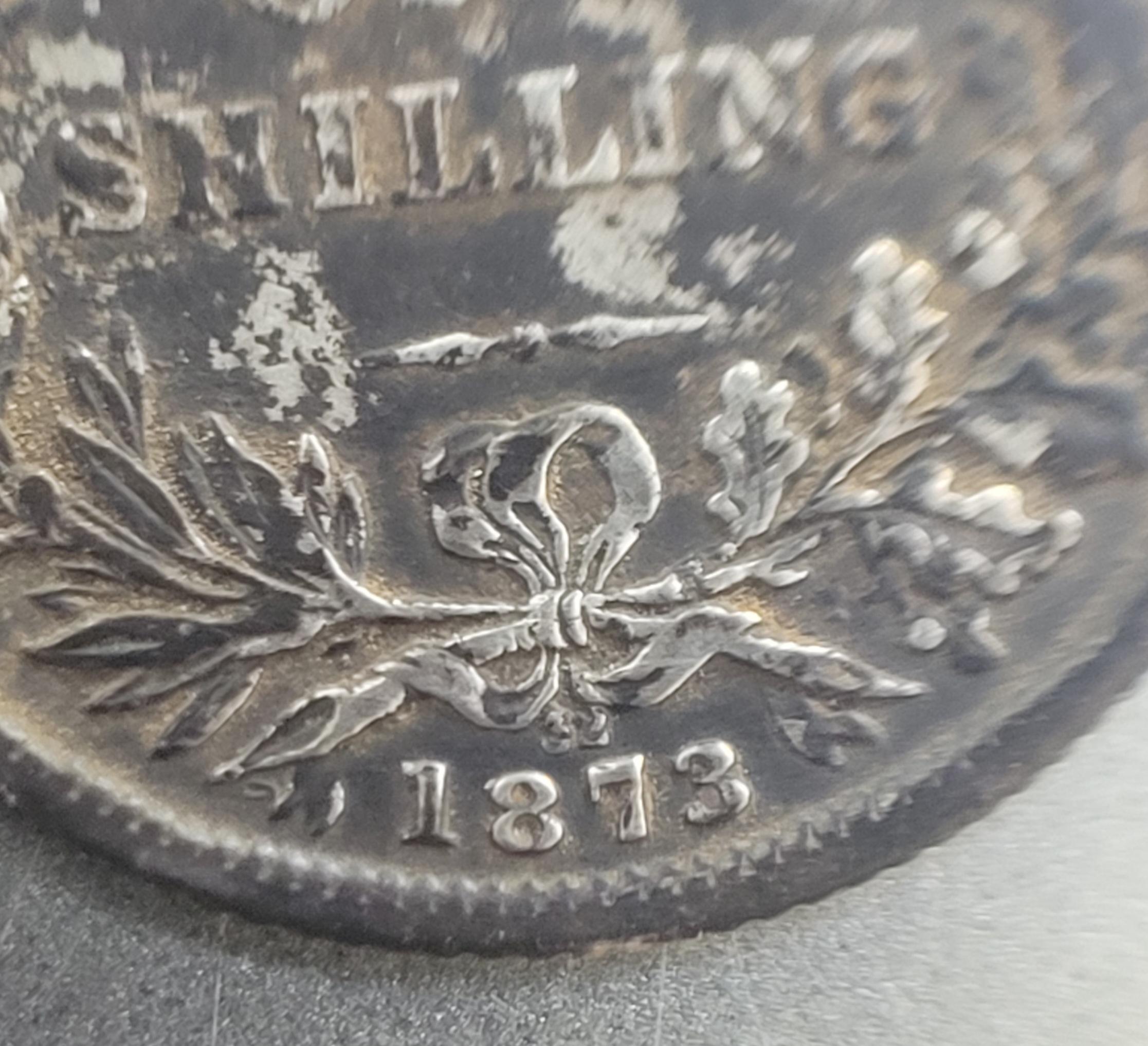
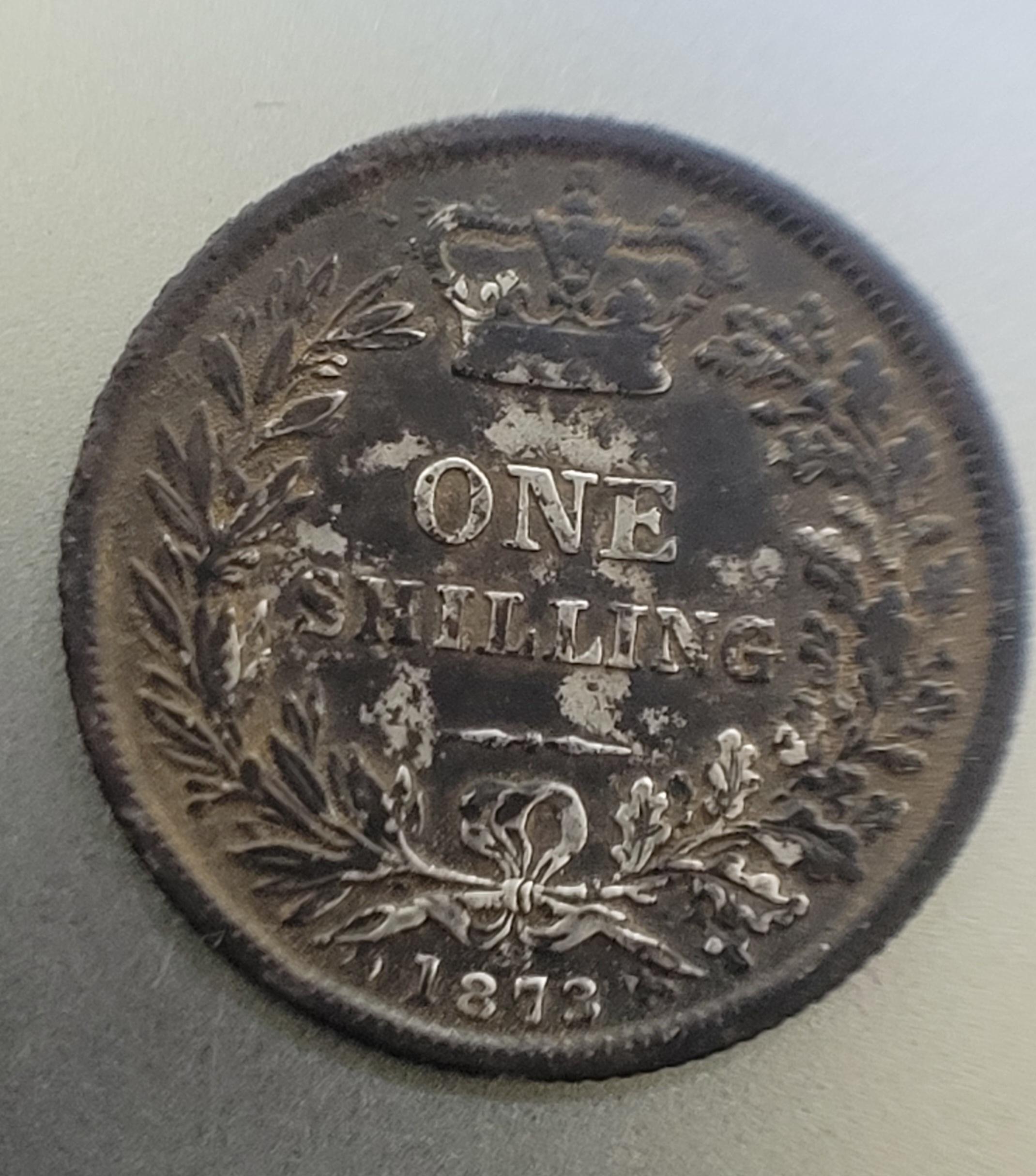
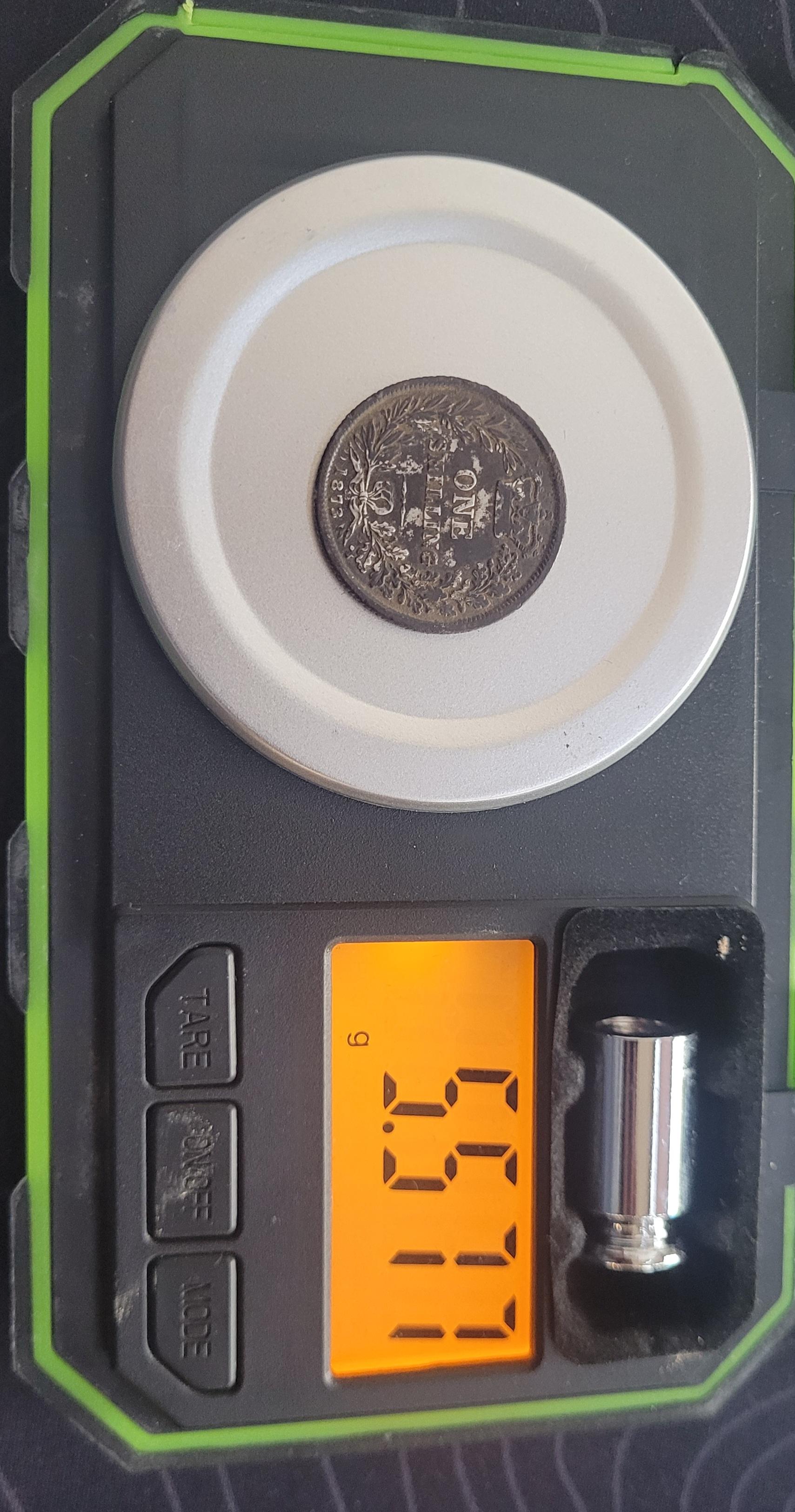
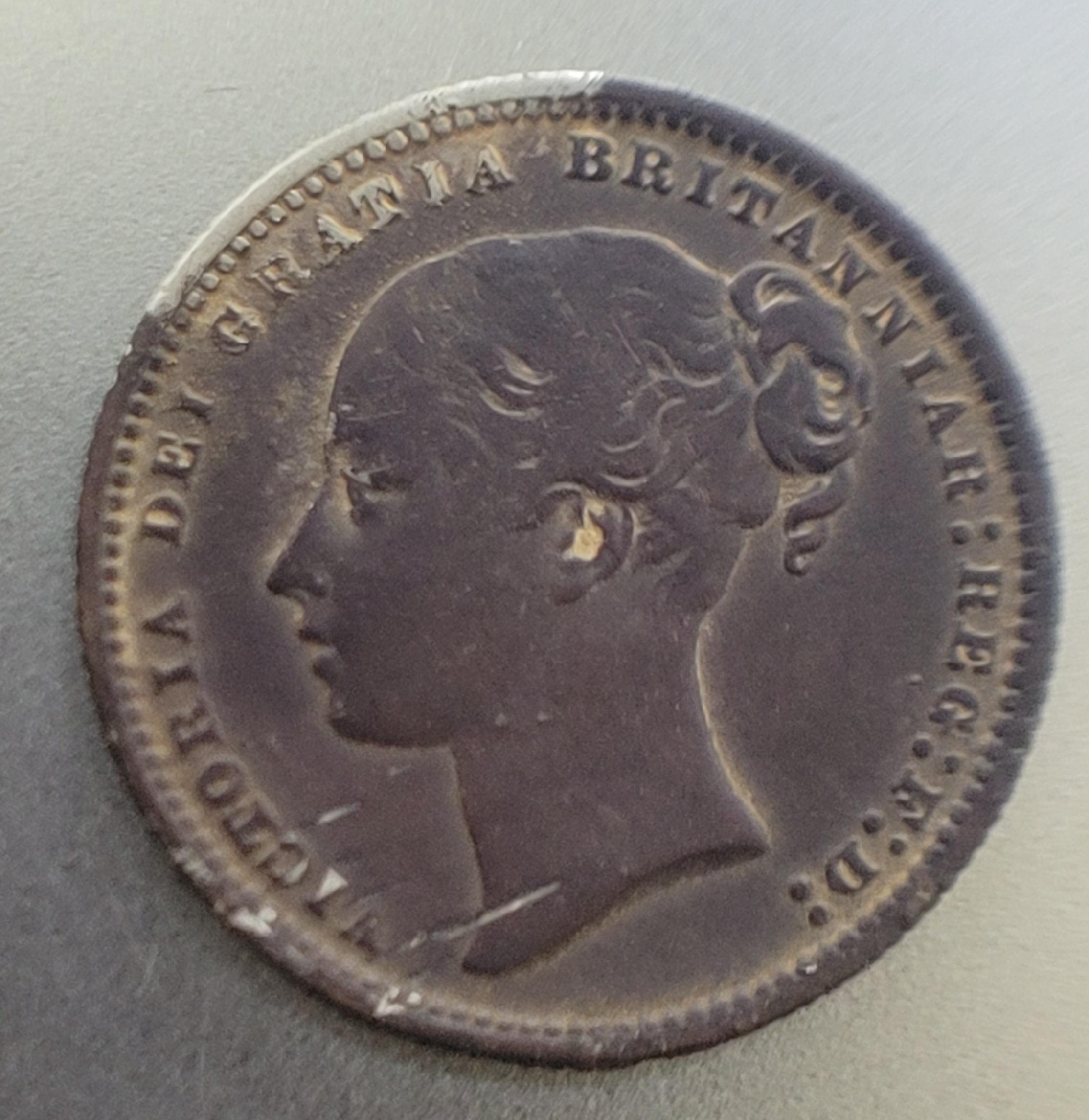
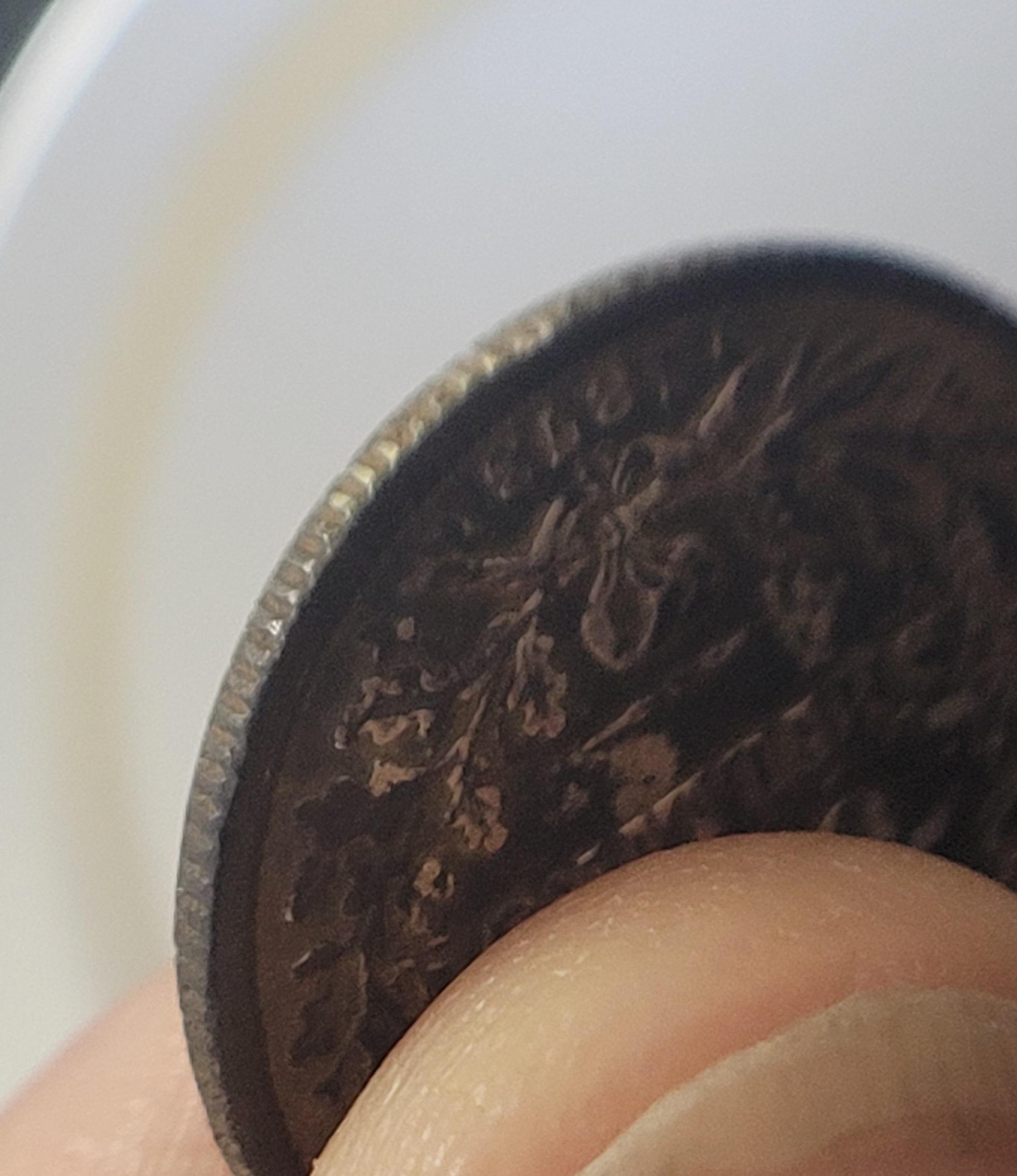
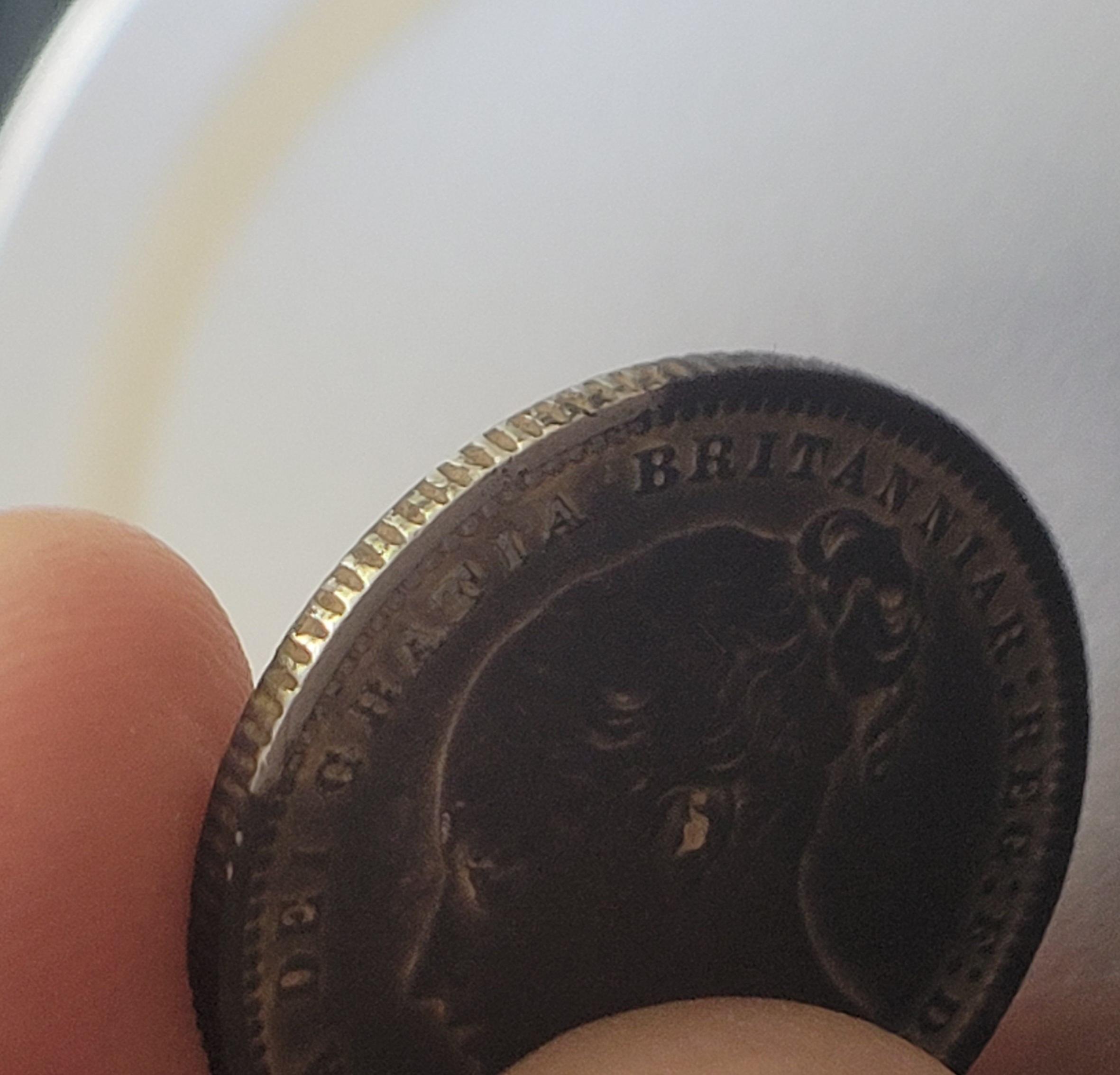
Hi all, I’m hoping to get some opinions on an 1873 Queen Victoria shilling with die number 32 that I recently found metal detecting in Victoria, Australia. The coin was recovered about 4 inches deep in soil in bushland on the outskirts of Bendigo. It weighs approximately 5.57 g and has a normal-looking milled edge. I’ve attached photos of the obverse, reverse, die number and edge. What has made me particularly interested is that I have been unable to find die 32 listed among the known genuine 1873 shillings in the published and collector die-number lists I’ve checked. The sequence seems to include 30, 31, then 34, 35, with 32 absent. However, Gary Oddie’s BNS paper on Victorian shilling counterfeits specifically records 1873 die 32 among the known contemporary counterfeits. That raises an interesting question: was the counterfeit copied from a genuine Royal Mint die-32 shilling, or was 32 only present on a counterfeit die? The coin appears struck rather than obviously cast, and at approximately 5.57 g it is close to the normal weight for a genuine shilling. The edge milling also looks regular, with no obvious casting seam, although I appreciate none of this is enough to establish authenticity. I’d be very interested to know: Has anyone here seen or recorded a genuine 1873 die 32? Does anyone have a photograph or record of the 1873/32 contemporary counterfeit referred to by Gary Oddie? Do the die number, date position, wreath and other reverse details on this coin look consistent with normal Royal Mint production? If it proves genuine, could this potentially be the first recorded surviving example of 1873 reverse die 32? Any thoughts or references would be greatly appreciated. Thanks, David Victoria, Australia
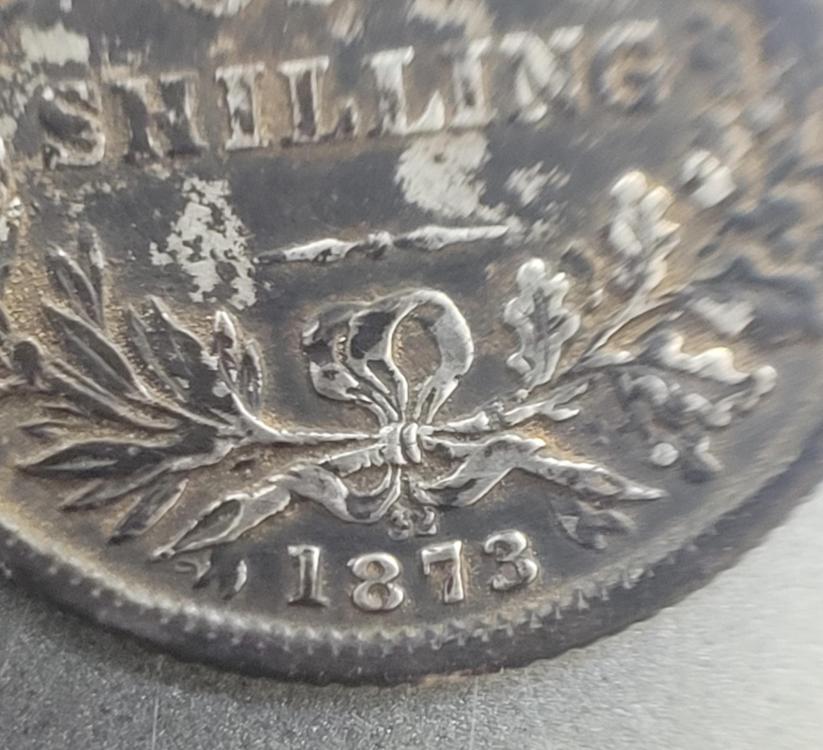
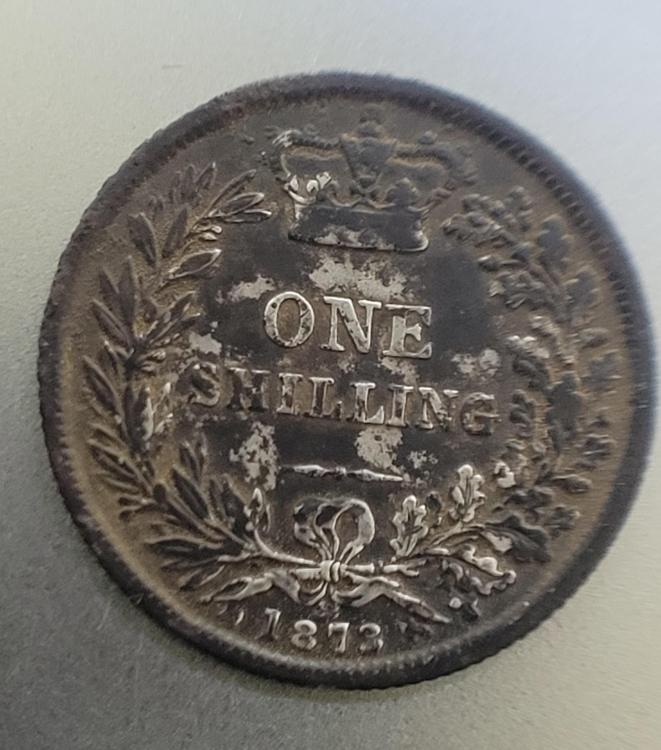
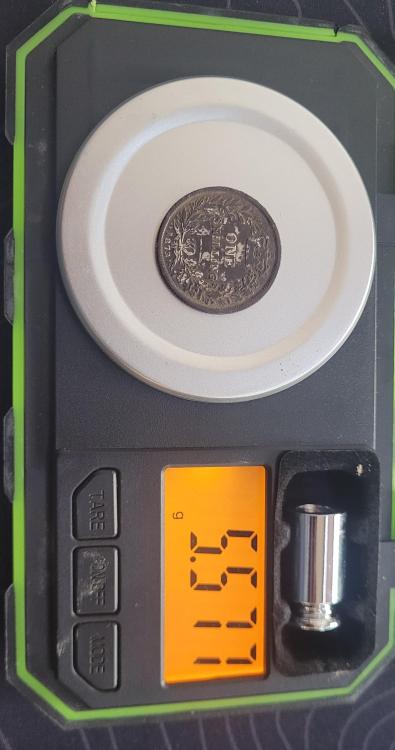
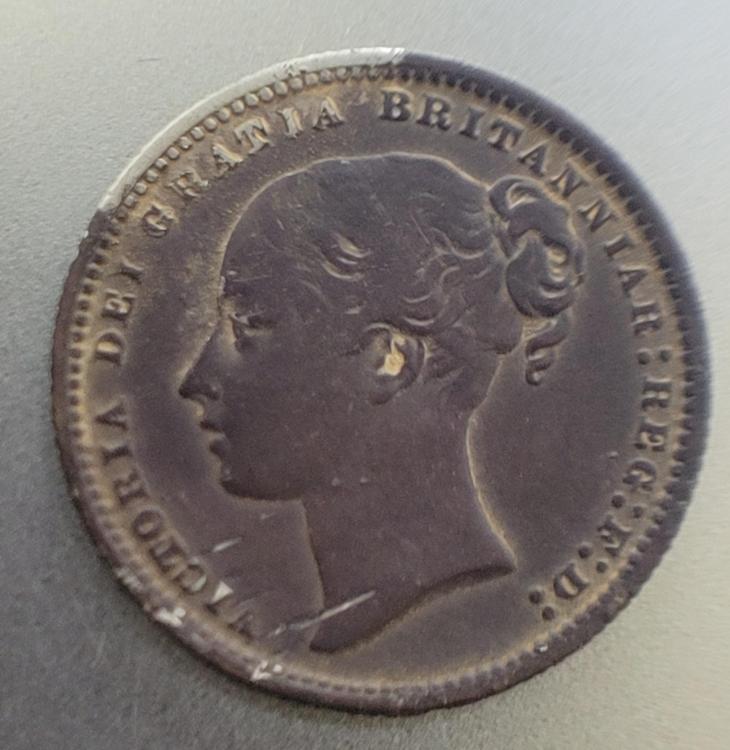
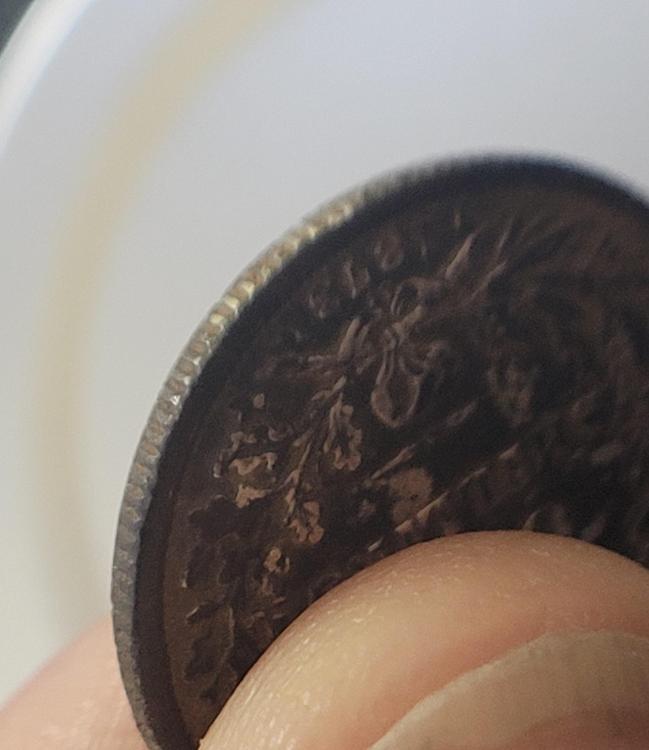
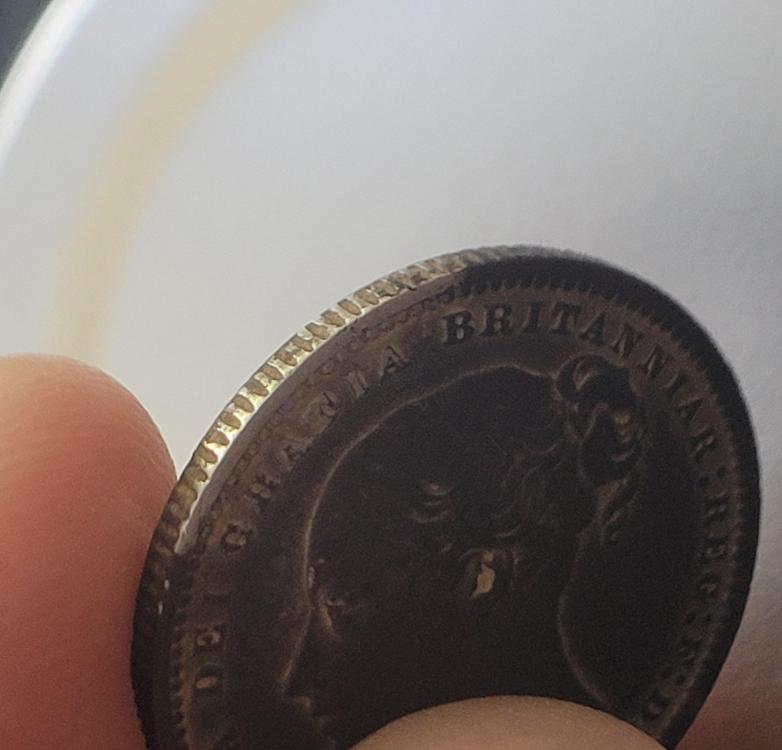 2 points
 -
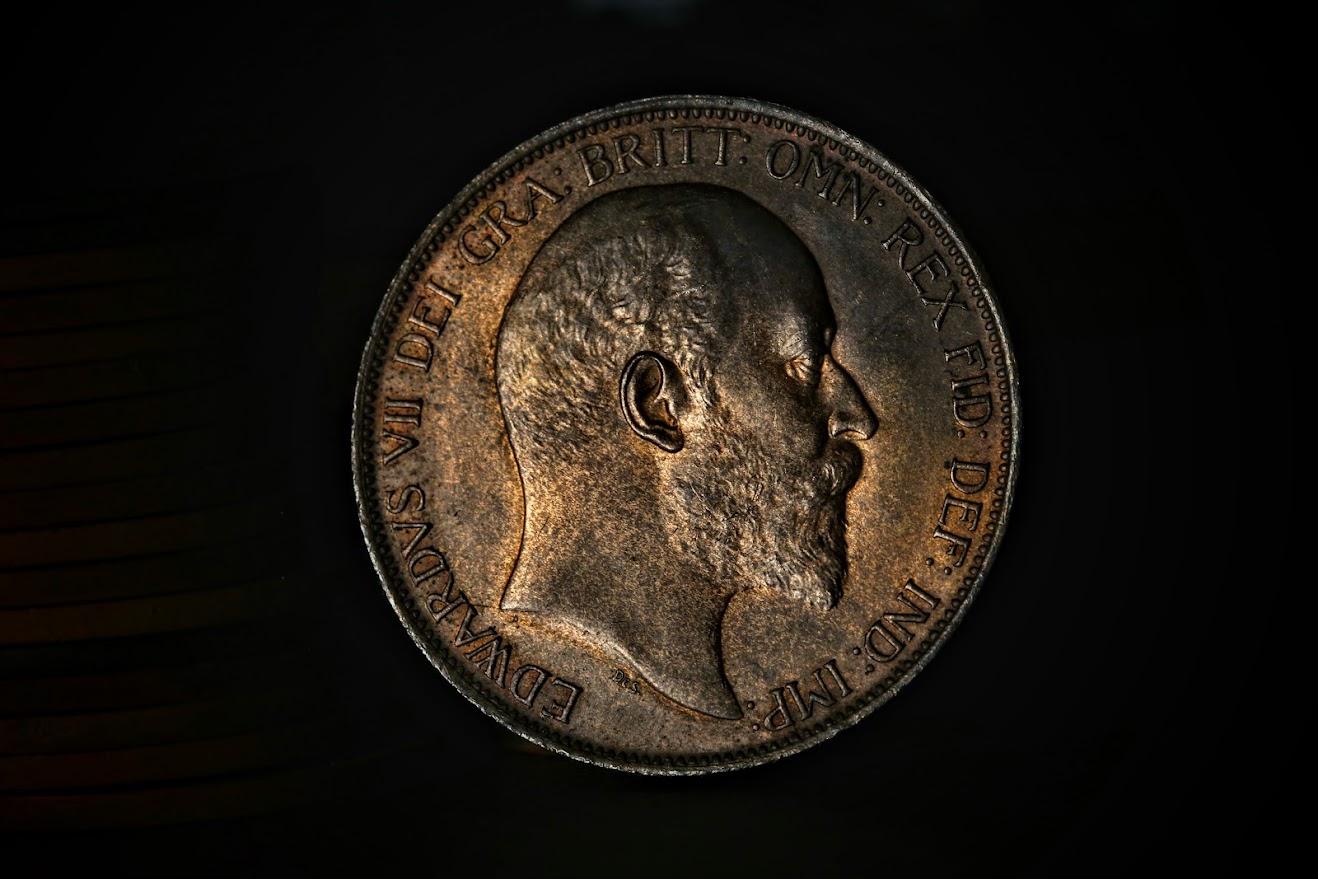
Nothing super special about this piece, but I like how my camera caught it. Some good details for a circulation coin no doubt. Unfortunate small scratch on the beard, but barely noticeable admist the texture. This was my first good quality Edward VII that I bought, since then I've gotten a lovely 1904 Sovereign and a gorgeous 1902 matte proof shilling (alongside the long-set case, which I will complete in due course)
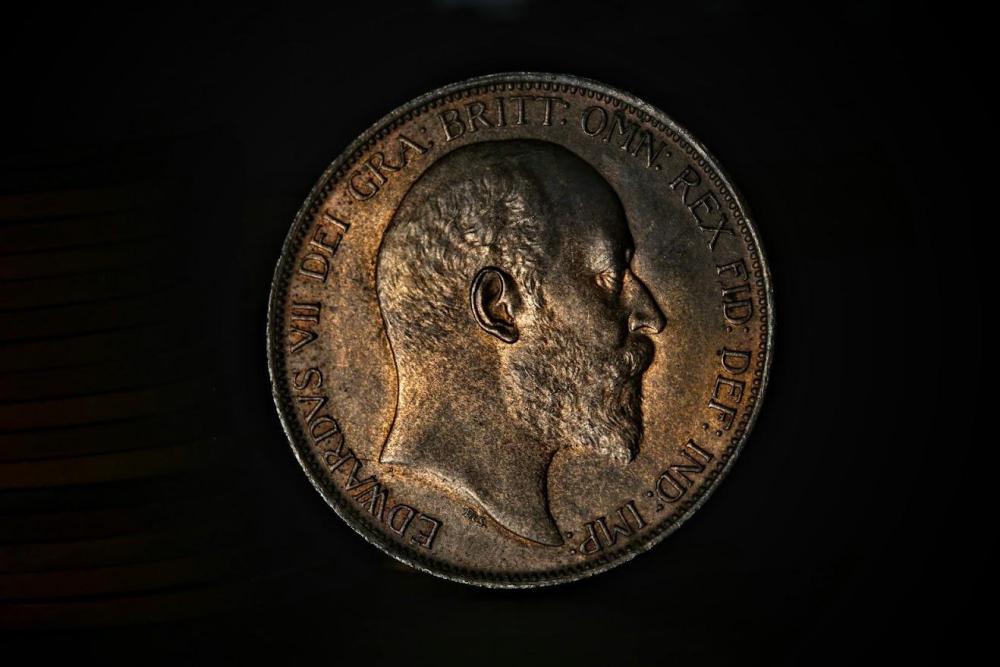 2 points
 -
Yes, the Galata Guide has a 9a2 with the ANL error. I'm not 100% sure that is a pellet on the breast though, rather than just a slightly outsized pellet in the beading. The S on the reverse is badly worn, but the one on the obverse does look top-tilted to me. My opinion is that it's a 9a2 rather than an imitation sterling, but I have to admit that I'm not an expert on either series. Surprisingly (to me) though I've just counted 45 long cross in my collection. Only one sterling though.2 points
-
It has a bit but its only a minuscule hole i think. It's looking promising for that rare one though Fingers crossed 🤞 Stu.2 points
-
DrLarry has voluntarily left the forum, only his last comment above remains visible. Absence of Uniformity, it's not the first time you've rubbed someone up the wrong way. 👀 ___________________________________________________________ < line drawn under it.2 points
-
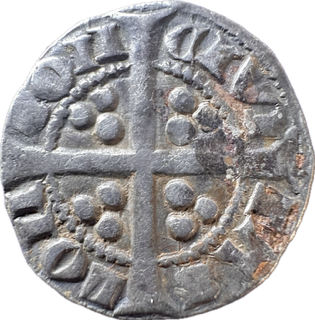
You’ve finally got some scales 😃 Taking your weight, and using the criterion from the North article below, I’d say yours is an early issue (1280-1284?) Dublin farthing - Open Es & Cs and the clear wedge-tailed R of Rex. Whilst the reverse legend is weak, it does appear to me that there are both a D and an I starting in each quarter, making it Dublin (CIVI TAS DVBL INIE). I believe the only other mint for these farthings is Waterford (CIVI TAS VATE RFOR), so you can probably rule that out in this case…I’ll let you to decide what letters you see, it’ll be so much easier for you to confirm in-hand. https://www.britnumsoc.org/publications/Digital BNJ/pdfs/1997_BNJ_67_4.pdf2 points
-
Definitely just post mint damage as Chris says. I think someone back in the late 1800s actually suspected it might have been a forgery (it's not, but many were at the time) and has cut or chopped the flan to test. The metal displacement can be seen along the entire length of the cut on the top side of it (so chopped at an angle upwards from SW to NE) and subsequent circulation wear has smoothed it out a bit including blending it into the beads, and separating off the bottom serif of the I to make a big blob. Not a mint fault, I'm afraid. You're actually not far wrong when you say hit with an axe! More likely a chisel.2 points
-
It's not actually a denarius as you'd think but a drachm. Here's a similar one...https://en.numista.com/235578 The legends are the giveaway with it.2 points
-
I am very well acquainted with him! In fact, I worked with Sovereign Rarities on his auction last year, and have since remained in close contact with him! He did almost purchase the plaster model in 2010, but alas decided against it!2 points
-
I think I can see the remains of "IMP TRAIAN ..." on the obverse, so Trajan? Reverse legend seems to have some Greek letters, so possibly Roman provincial.2 points
-
https://ebay.io/m/Bvd8Q6 😬2 points
-
Spot on. It could in theory be a class 1a2, 1a5, 1b1, 1b2 or 1c, but 1a2 is immediately ruled out because there is no square C or E and 1a5 because there is no stop after LVND. The others rely on observing a stop between S and R on the obverse (present on 1b1 and 1b2, but omitted on 1c). The round C and the R are clear enough, but is the gap between the two letters big enough for a stop? I'm not sure. In the end it doesn't really matter, because the coin is pretty much toast, but I enjoy getting as far as possible with these hopeless cases.2 points
-
MS is MS, MS 60 is an un-circulated coin. Higher grades are more subjective with MS61 and higher attention is paid to strike, bag knocks, luster. toning etc. Wear and poor strike being very difficult to distinguish when it is slight. Also attention should be paid to the condition of the milling of the coin edge The whole point of TPG is consistency for valuation and comparing coins. The subject coin from the photo shows slight wear on the higher points and more correctly graded AU 55 - 58 or EF IMO. Personally I prefer the Sheldon as it gets rid of the abt. nearly + etc that are much more subjective. However it must be applied accurately to be of use. Having said that the book The Standard Guide to Grading British Coins is a good guide2 points
-
My thoughts on the German forgery is that I reckon they had bigger fish to fry in 1945, than to bother themselves with bronze pennies2 points
-
The visible lettering is too crude and close to the rim IMO. It looks more like an abused attempt at a cast copy to me. Any attempts at acid cleaning will thin the letters and reduce dimensions on all 3 axes if there is total immersion. The weight of a cast would obviously depend on the amount of metal poured into the mould, so I think not relevant in this instance.2 points
-
I absolutely LOVE this one, and you only get to see the reverse, too…maybe they’re just being kind! Kind of Knight-like in shape, quite the piece of art https://ebay.io/m/Mck7Te
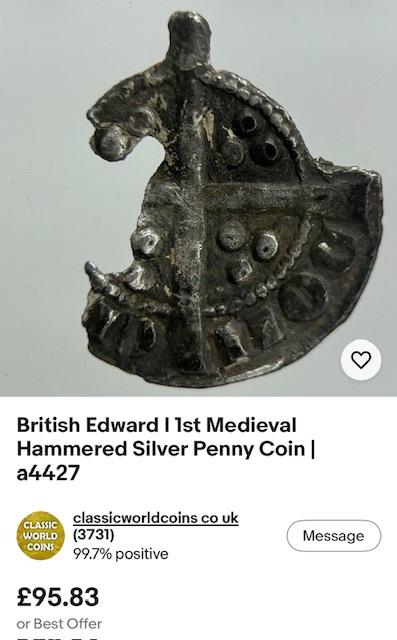 2 points
 -
In the case of written text, I suspect it may have been underneath a piece of blotting paper or at least something as adsorbant as bog-roll. That was the only way I could rationalise my 1773 halfpenny on a spread flan with Basing House plus some indecipherables written in the hand of H Webb. The above could equally be due to someone making a poster. Anything written or pressed onto newsprint with excess ink is likely to pass through quite easily given the paper quality.2 points
-
aha, yes theres this one as well that I found awhile ago,
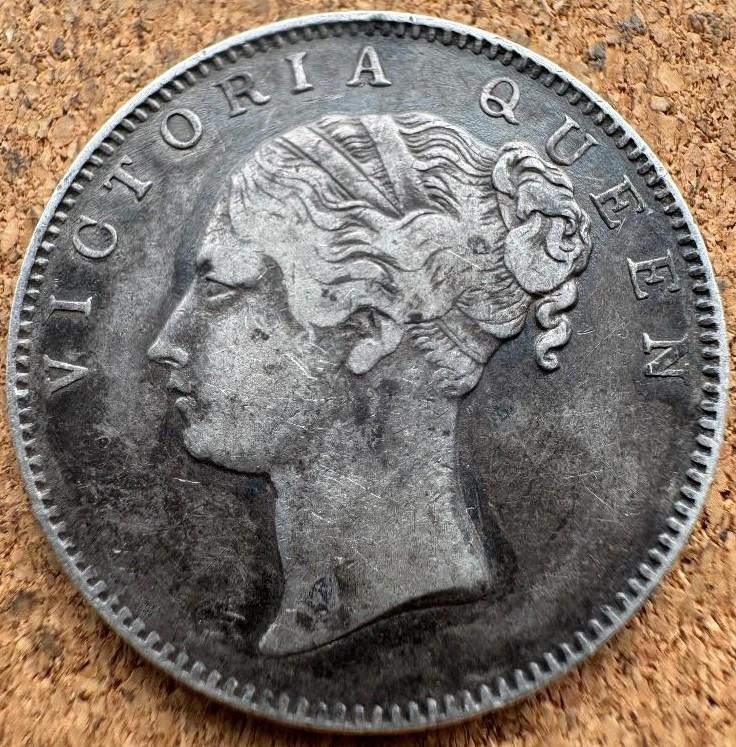 1 point
 -
Lovely! I've been getting 1 rupees whenever I can. I have a Hyderabad one in my watch list too. I'll continue to look for one per year of the Imperial ones and then one from each Princely state that minted them.1 point
-
I wonder whether Gundry relates to the "Bridport Gundry" rope and netting company? I visited them with my father, when he was on business there, in the early 70s, but I believe they are no longer in operation. It was fascinating to see the rope making process and the number of different uses rope and netting could be put to!1 point
-
I 100% understand your point, though I have to say the fine ‘lines’ on the right-hand example look very different, and very suspect to me. Commendable that you’re embracing numismatics at this level, especially for someone of your age. Excellent stuff 🙏1 point
-
Well, if you can find it on Amazon, I would highly recommend it! It’s looked at impartially, investigating both its positives AND downsides, with some unexpected discoveries/findings!1 point
-
Thanks @Paddy I did see that forum when looking around yesterday after I posted already and thought the same. I'll re post later on and try my luck on there. Appreciate the quick reply :-)1 point
-
Many thanks for your thoughts, Coys, much appreciated! You may be absolutely right on all counts…it would be easy to see how just the slightest flattening of that bead/pellet could convince anyone that it is indeed a pellet! The jury is out for me at the moment. The little fishtail serifs on the reverse S do suggest to me that we’d be looking at a mule if the obverse S is top-tilted? There are a few different possibilities in the SCBI 39, and the coin should be in-hand shortly to verify. It was a throwaway coin in a small bulk lot, so the pictures are not great.1 point
-
Hello and Many thanks... it is a shame that its rubbed, it was the triangle lead me to Ireland the solid long cross took me to thinking Edward I, I can make out CIVI but I'm still way off with the shape of the fonts but its a learning curve 👍1 point
-
@SohoMint did you try Jim Noble to see if he would contact the owner on your behalf?1 point
-
Agreed. It's the only forum on here i take a real interest in. Posts are few and far between on here so happy to see people still posting stuff as it gets neglected abit.1 point
-
I’m hoping your packaging will deliver something slightly more round, Clive 🙏1 point
-
Get a room, you two...1 point