Leaderboard
Popular Content
Showing content with the highest reputation since 10/20/2026 in all areas
-
5 points
-
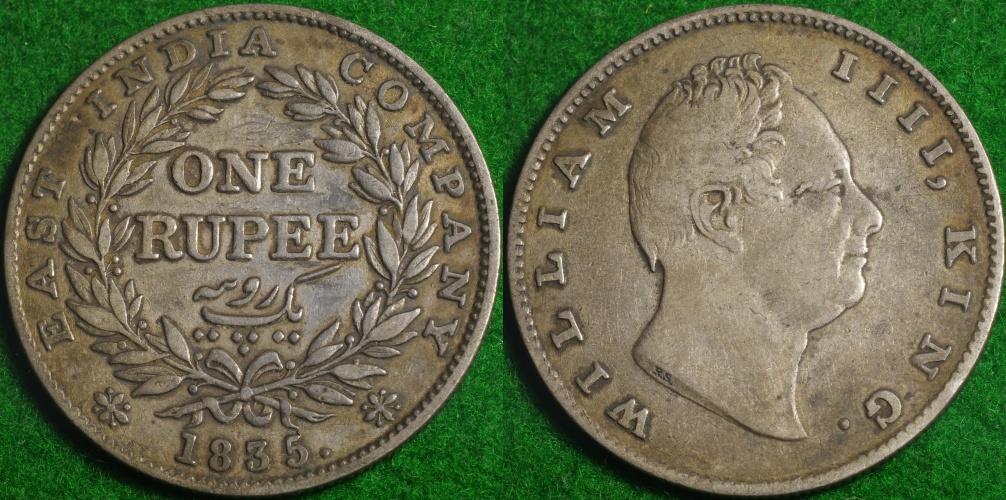
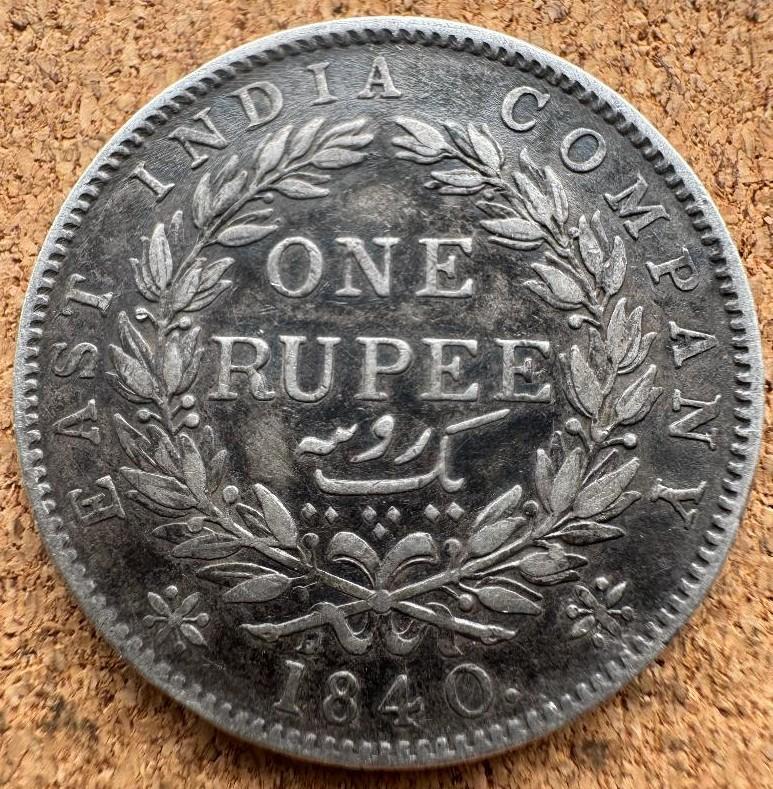
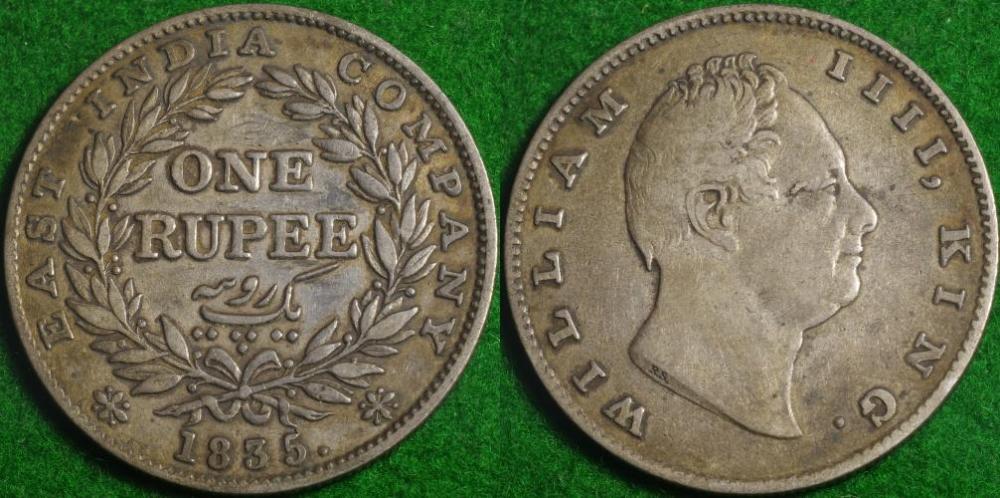
I only have one these days. 20 years ago I bought a whole collection of Indian silver including several dozen assorted Rupees, but sadly I sold them all. This is William IV, 1835:
 3 points
 -
Victoria not looking her best https://www.ebay.co.uk/itm/800843380579?itmmeta=01M5Y8QYJPVNDVTD17WE529P6E&hash=itemba75fc3763:g:5WwAAeSwRD5q4FGZ&itmprp=enc%3AAQALAAAAwCHNgUiiE%2FjQhlDTaMiAde8bHv6%2B83BpYHviYhRXPNyyLSGEyET%2BkoJiqhq0LjWtlQjHs4TJbk850ubzIgdT2ShNbF%2FQ0OsLoD%2BnbWjOwSl9%2BTkwuU%2F1LhsMu6HXy6MydAOkMqkEbgr0ucw%2Fv6XZR2VKg3g96NaaAJwVPR7sH5Gcm7kjqTQ8wdr5Fy34Er8sWubzxQuapdd4tGIwJDK2a4S24elMx6ZTrIme3Hv1U64yE9YWQEfZwwKOPqT%2BP%2BiKPg%3D%3D|tkp%3ABk9SR9jp38ivaA2 points
-
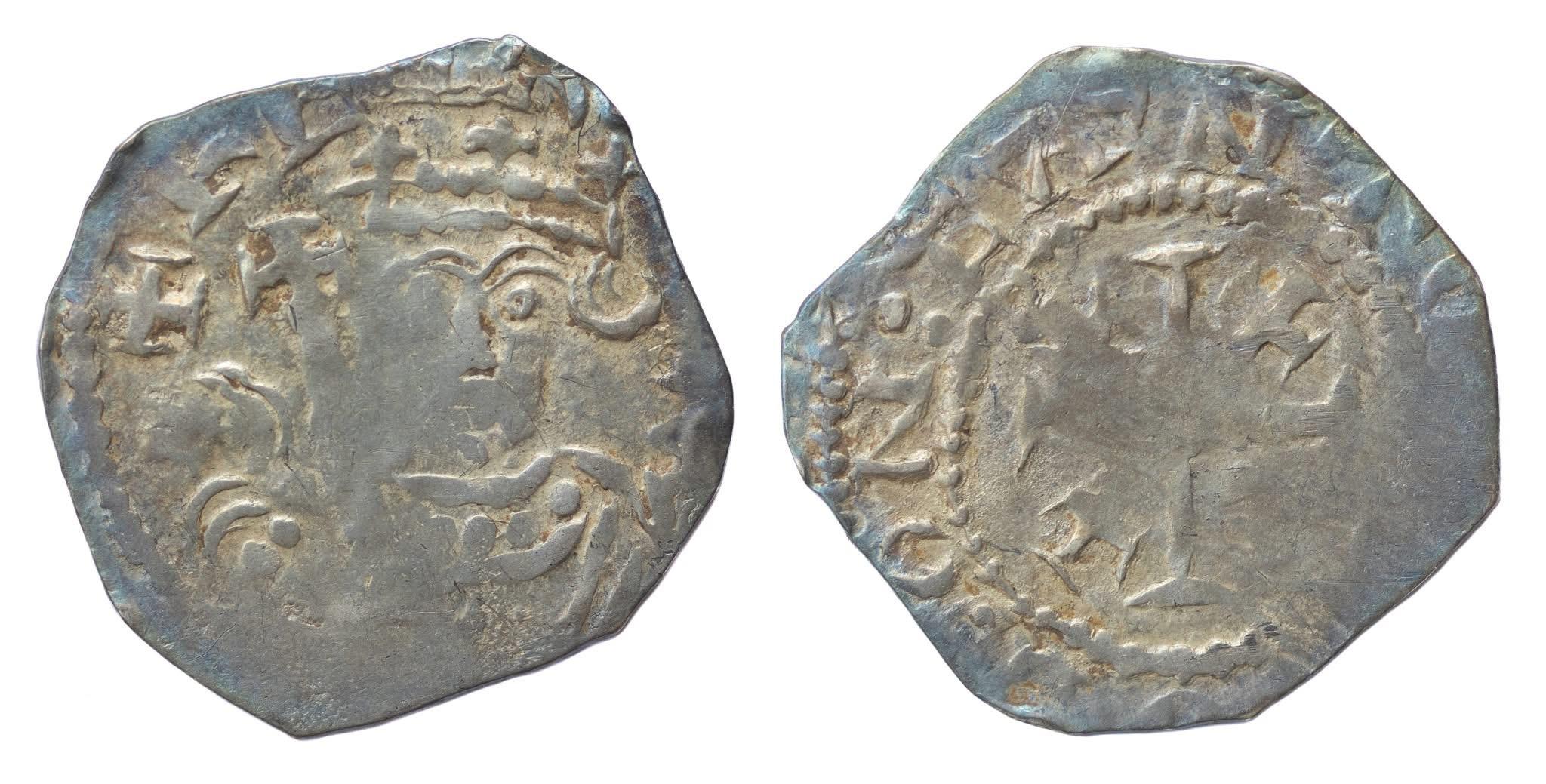
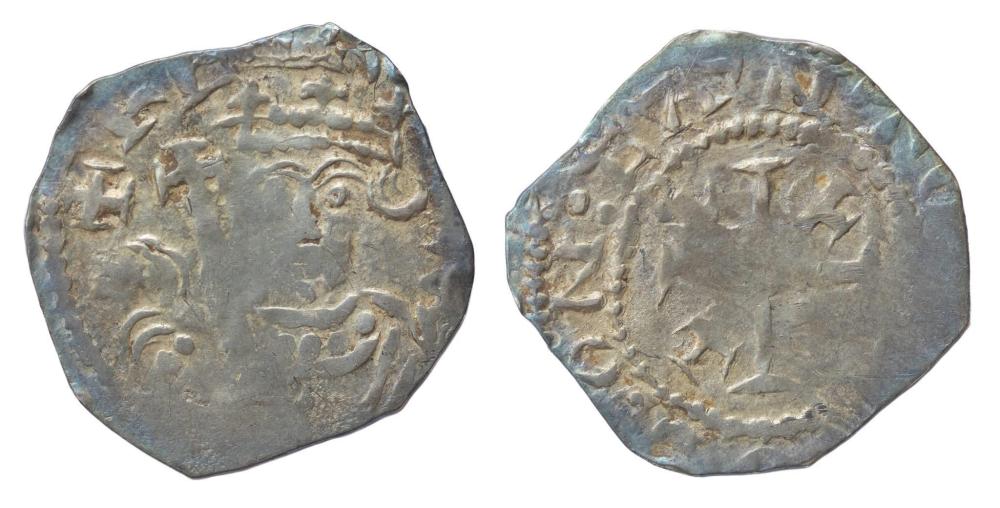
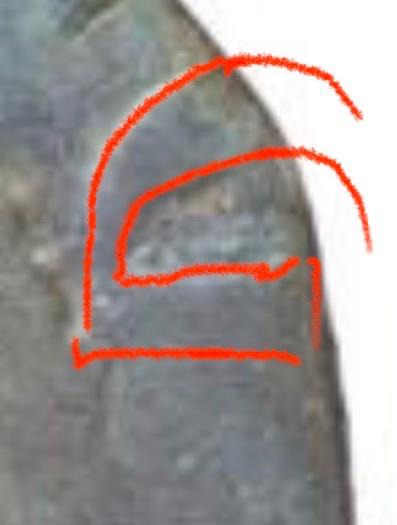
Hi. Sharing a Henry II Tealby Penny from Canterbury. Can the moneyer's name be attributed from the little that is on-flan?
 2 points
 -
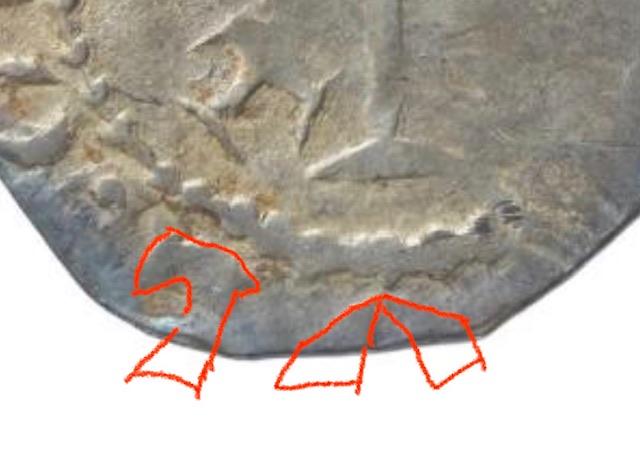
The mint signature is certainly CANTO at the top of the rev. picture because there is no sign of a termination. Where it would be is flat, and it doesn't matter whether it is a colon or initial cross, it ain't visible. RAVL is a distinct possibility given the width of the A. I'll bear that in mind. If the curl inside the C is an R tail, we are halfway there. The following A would be super-imposed on the A of the moneyer name, so possible slightly different profile given the possibility of made up letters from lines, crescents and wedges. The mint signature looks to cover about 150 degrees of the legend2 points
-
With Rob’s proposition for a shorter name, I wonder whether it might be RAVL? There’s certainly a hint of the V My only other thought is, if the city was CANT, with the O being a G instead (the 2nd curve of the ‘O’ looks straighter, so a possibility I guess?), then GOLDHAVOC could also work? A die-match will be the only sure way of answering the question.
 2 points
 -
I think Alferg is only known for Bust A and this is Bust E with the hair curl, drapery joined at the left shoulder and a single row of pellets with pellet below. It doesn't look like E1 as there is no obvious triangle of pellets below the collar, so probably E2 or E3. All with the caveat that it is clearly double struck. Mint reading is CANTO, which should mean a shorter name. I'll try to dig out Allen to see if there is a die match when I clear the crap off the floor. The key will be the relative positions of the sceptre, + and hEN if there is a die match to be made, and a lot of reverse dies can be eliminated with the long mint signature.2 points
-
Not 100 % sure but i think the last letter before the colons and ON is a G. So Alferg ? Perhaps. There is only two listed on the fitzwilliam corpus to compare with. Sadly one has no image and the other is just not that detailed due to wear.2 points
-
I also noticed a spelling mistake in the seller description…‘certified’ has been spelled incorrectly. I’m pretty certain that either the buyer or seller would need to be certified?1 point
-
Rogier ? Stu.1 point
-
I'm still finding interesting Empire coinage as I sift through..... these I had but not ventured near in over 35 years, now I have a page that covers different monarchs, dates and country's.... I do like the colonial use coins as well, 👍1 point
-
I love these…great designs!1 point
-
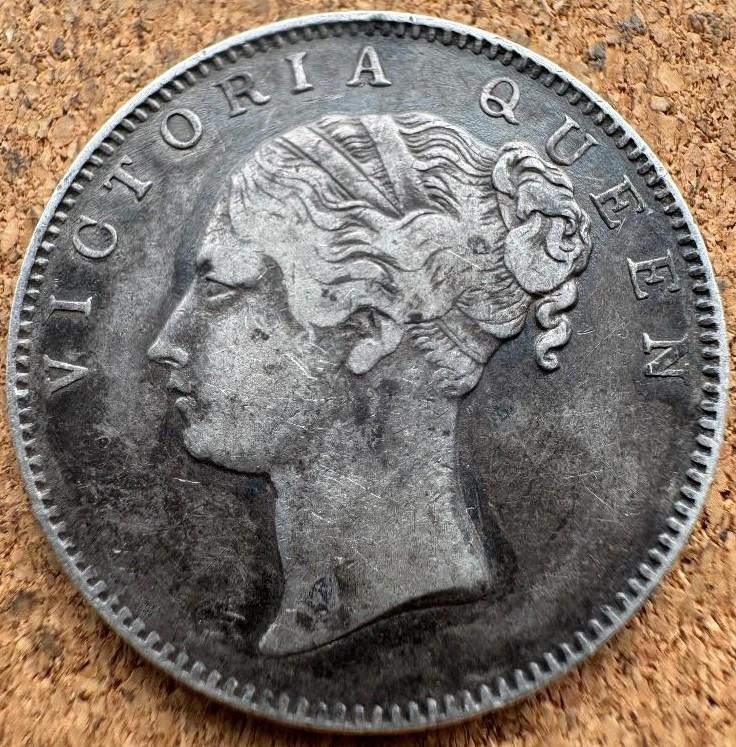
aha, yes theres this one as well that I found awhile ago,
 1 point