
Chris Perkins
-
Posts
5,693 -
Joined
-
Last visited
-
Days Won
43
Content Type
Profiles
Forums
Events
Downloads
Store
Gallery
Articles
Everything posted by Chris Perkins
-

Gold UK Coins missing/stolen
Chris Perkins replied to Chris Perkins's topic in British Coin Related Discussions & Enquiries
No. I'm just relaying the content of a BNTA email recently received. I thought it can't help to have it on the internet either. If 2 or more are offered in the same grades, it's probably quite a coincidence! -
The following coins, all graded and in NGC slabs have gone missing from Fedex Stansted this week. If offered these coins, please contact Stephen Fenton on 020 7930 7888 and mention that you saw this info here: 1911 Half Sovereign PF63 Cameo 1911 Sovereign PF63 Cameo 1937 Half Sovereign PF64 1937 Sovereign PF66 Cameo 1937 Two Pounds PF65 1911 Two Pounds PF66 Ultra Cameo 1937 Five Pounds PF65 1785 Guinea MS63 1786 Guinea MS63 1799 Guinea MS62
-
Where?
-
I seem to remember a few years ago when London coins had some kind of Investment Portfolio thing (with a different name) selling slabbed PCGS coins. There was a membership fee which was refunded after a certain sum of coins was purchased. I'd amassed nearly that sum buying things for a client and then they stopped it and started CGS and slabbing them themselves. I asked about the membership fee, if the total credit could be passed on etc. Got a reply weeks later after a further email saying 'No'. Absolutely terrible customer service, always. And now this happens, which looks very similar to me. Not a good show at all, and all the £99 and £499 subscriptions fees smack of desperation to me.
-
That was fiddly. Kept getting 403 errors too. I've managed to change the sig and your website URL.
-
Yes, saw that Peter. A few years ago and no pic, which is a shame.
-
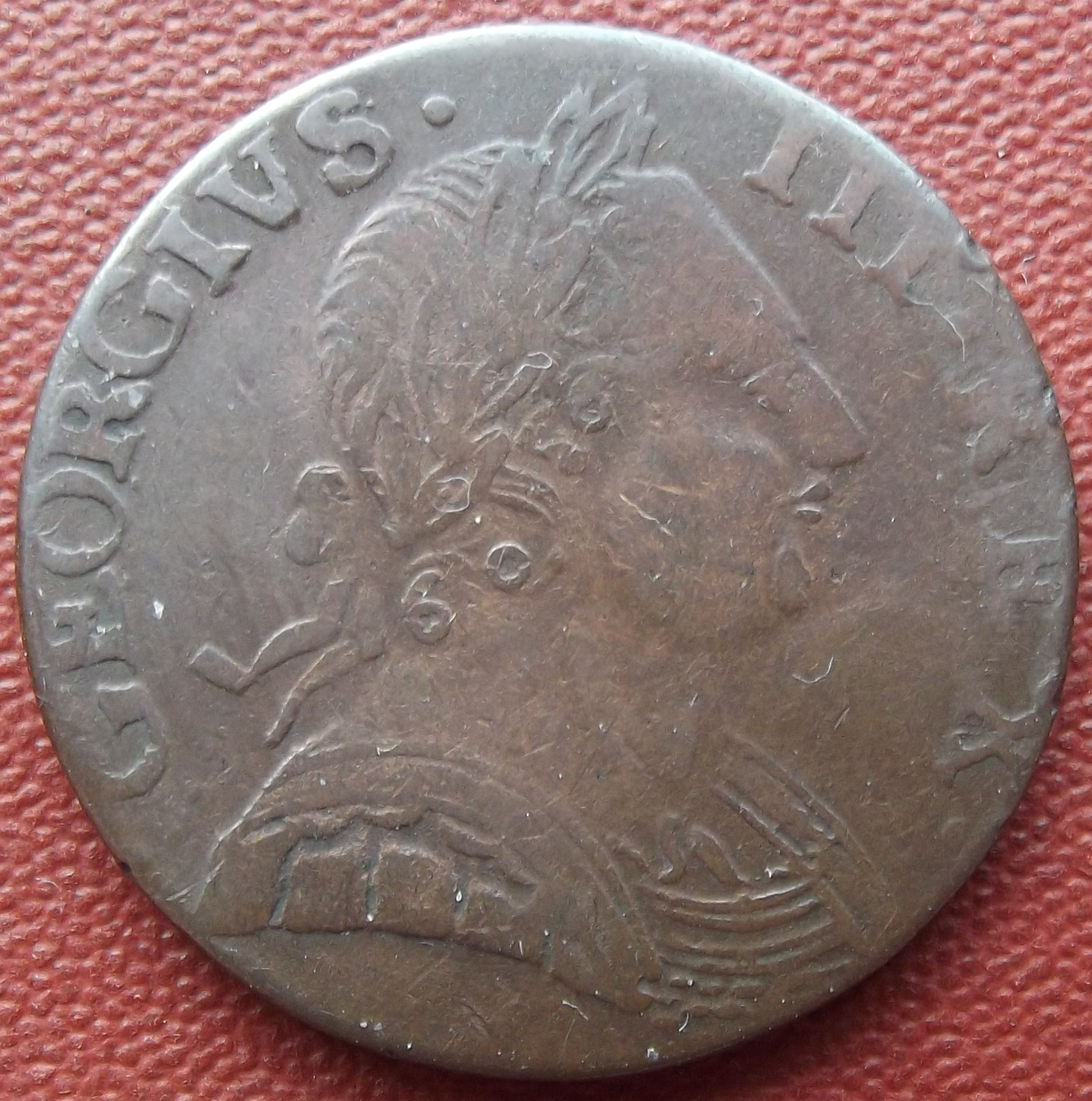
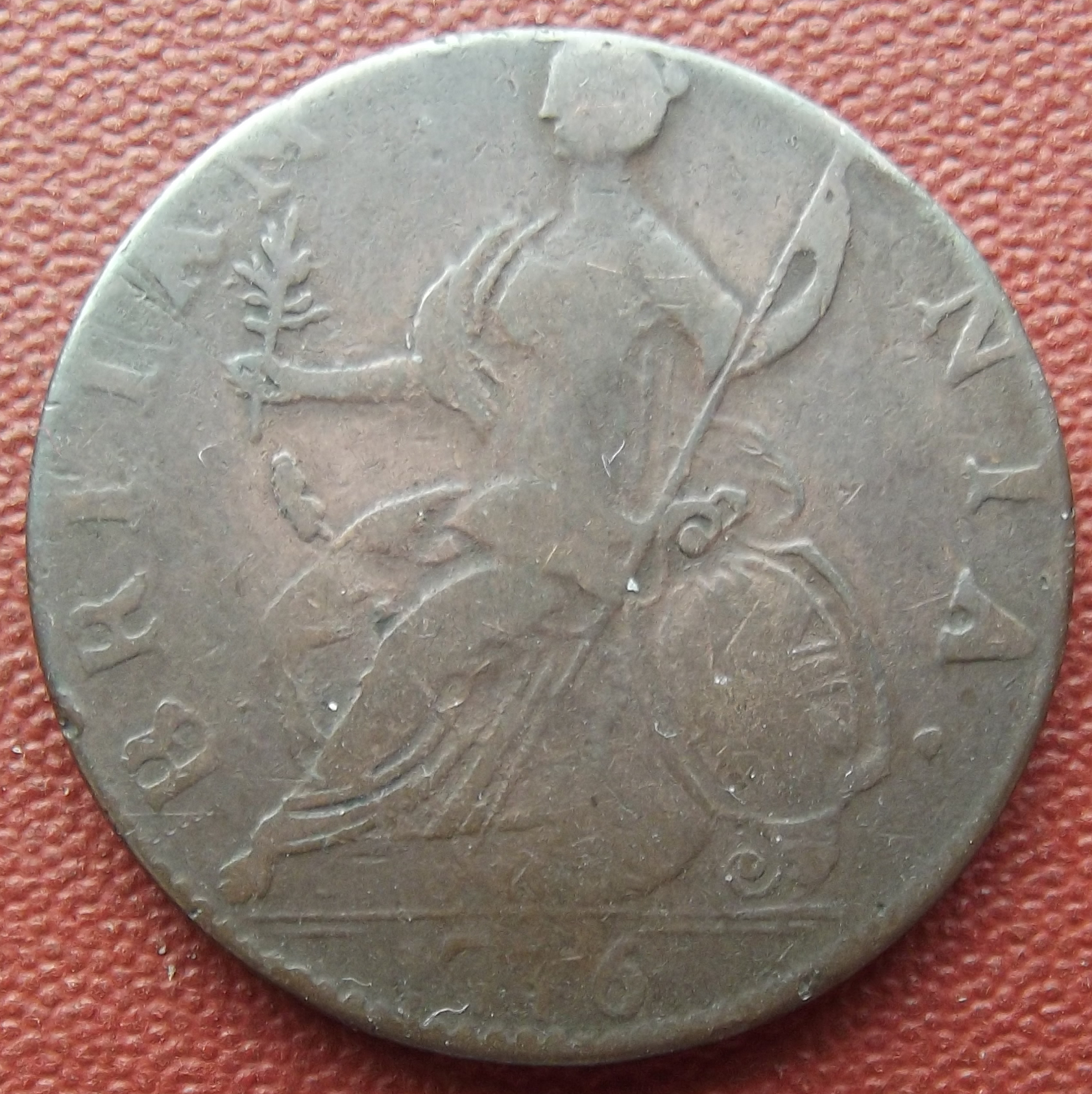
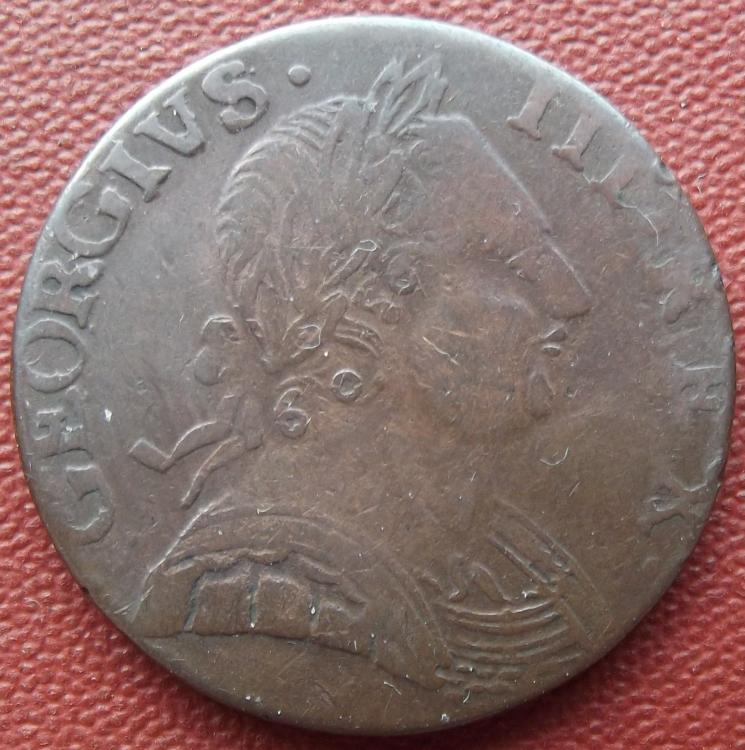
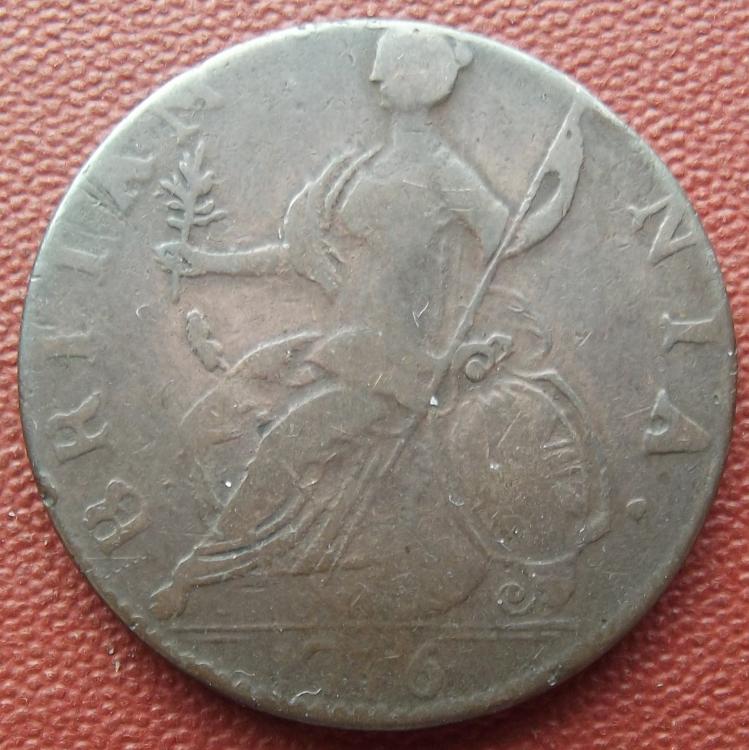
Anyone familiar with these? I know that some dated 1776 were made in the USA and are quite sought after. This one is, I suspect, a British made '1776'?
-
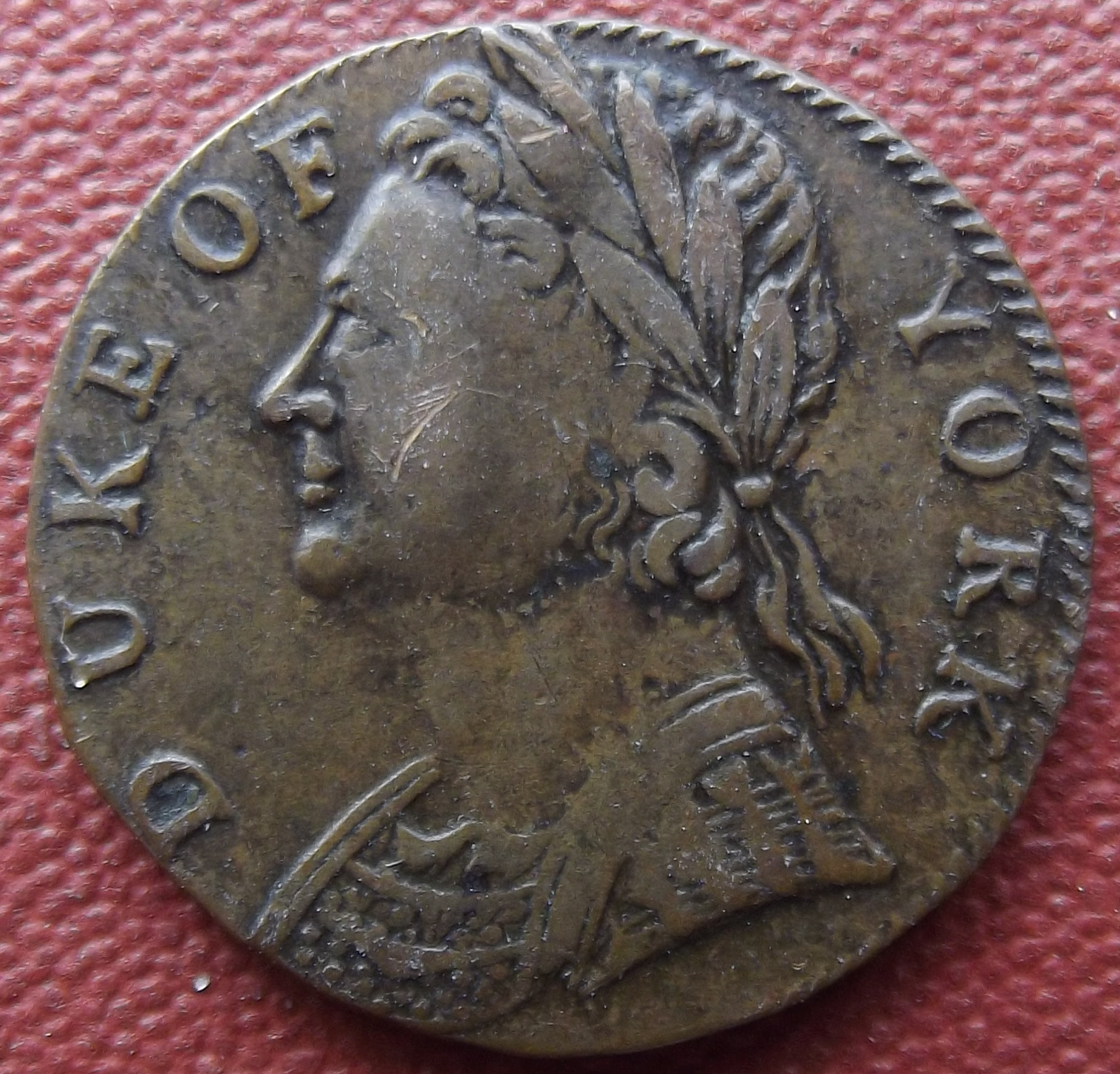
This is a rare one from what I can tell, and well above average condition for its ilk. Atkins 451 'DUKE OF YORK' / 'FARTHING 1756'. Has a ticket with it indicating it was bought from Lickey as GVF in Sep 1972 for £3.


-
Yes, that's a pain that is. Another problem is the edge knocks.
-
The Magna Carta £2 coins are starting to appear in circulation. Dated 2015, so rather late, but they feature the 5th portrait of the Queen. The ones in last years BU sets have the IRB 4th portrait of the Queen and seeing as they won't be making any more 2015 BU sets, all of the 2015 Magna Carta with 5th portrait will soon end up totally knackered and I predict that in the future they will be harder to find in really nice UNC or better condition - same as the 1999 standard reverse £2 is now impossible to find in nice condition (it never found its way into sets either). Problem is, even from mint sealed bags they are already mostly in a right state before they even leave Welsh air!
-
Selling either of them BigJohnny?
-
Sorry to the original poster. I'm going to hide this topic until I can work out why I can't close it to further comments.
-
Where has he been trolling you and splashing your name here and on Facebook?
-
I don't care what goes on on other forums or anywhere on the internet, apart from here. And I really don't see a problem here. Apart from the fact that I don't seem to be able to close this topic!
-
I've removed address details. Whoever Mynki is, I don't think he's ever caused an issue here. Has anyone else (apart from Dave) ever had any issue with Mynki? Stopping this thread though right now before it gets personal again.
-
Great photography.
-
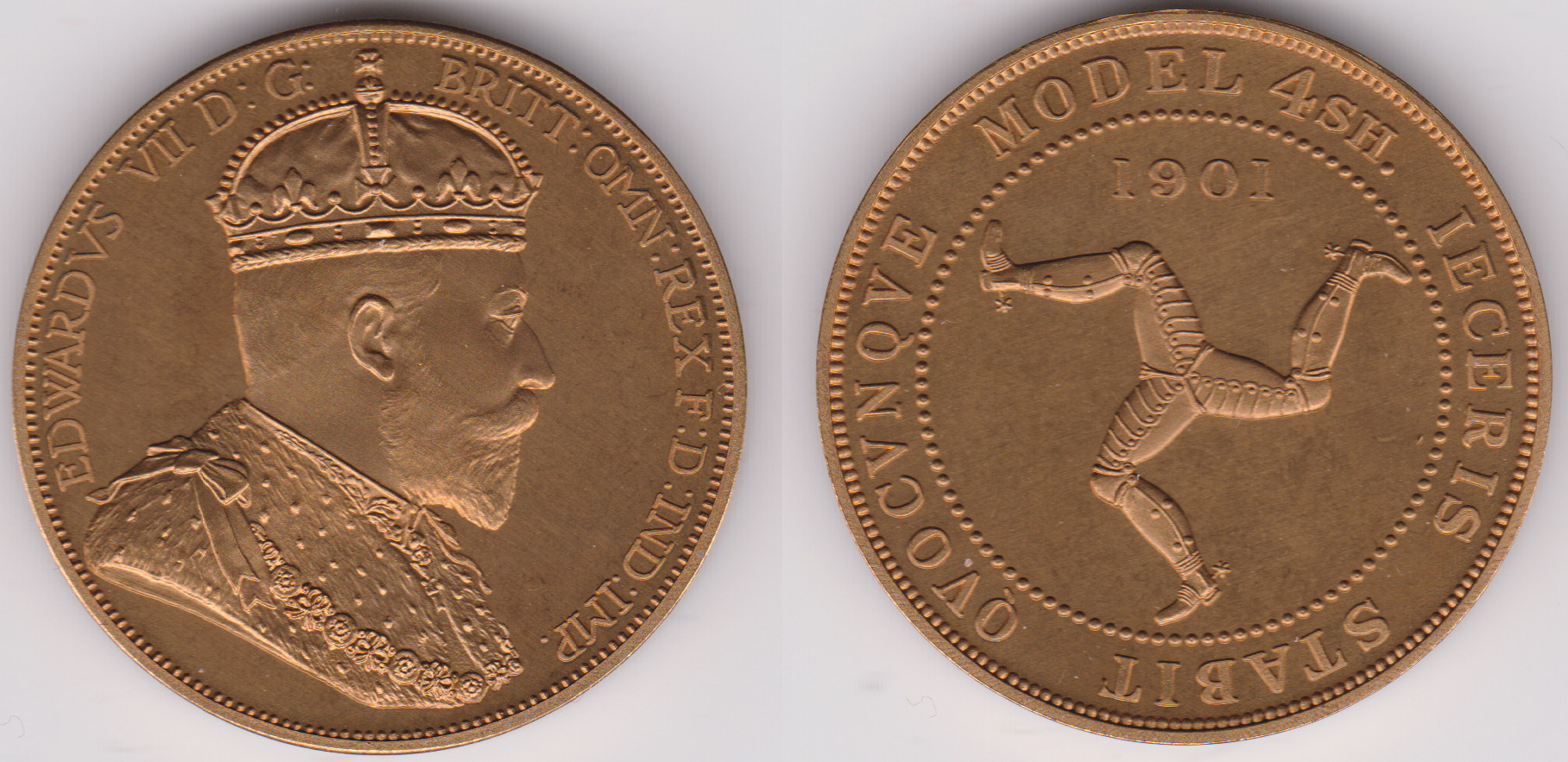
Here are some other random pics showing the 'Patina Collection' Donald R Golder designed busts of veiled Victoria, Ed VII, Geo V, Ed VIII (2 types) and Geo VI. The crowned EdVIII looks a bit Micky Mouse but the others are very nicely done imo.... I know they are based strongly on contemporary busts by other artists. They are scans, so a bit blurry due to the high relief.


-
I do keep meaning to update that. There's also a 'Store' feature on the forum which is a relatively new add on. I could list them all for sale there, but it's just finding the time (and, I admit, sometimes the motivation).
-
Even my best example is no where near that quality. Completely different dies, but it seems that everyone had a go at making Hearn based EdVIII patterns as mine are quality-wise somewhere between that one and the 80s issues. I also have a couple that are even worse with chucky wire hair. Thanks for that NGC information. According to 'Unusual World Coins' those were NIB Maundy Retro issues.
-
No, I don't offer them on ebay or Amazon but a couple of the big buyers (that get the biggest discount) do. They try to undercut each other by a few pence etc.
-
Thanks brg. I've also got one or two of the 1879 with St George reverse. And that explains why the 1808 and WmIV are not in my 2005 edition of Unusual World Coins. It looks like some of the IOM reverse were 360 mintage, but yes, it may as well be 3.6 million as they seem to be cheap and readily available. I'll do some pictures of the Hearn EdVIII patterns I have and perhaps start a new thread for them. There are notable differences in the quality, but I don't think I have enough of them to warrant a £50 new book purchase.
-
There's some info in Krause's 'Unusual World Coins'. I've got the 4th edition and the YH 1879 and most of the later monarchs are included, but not all. None of the WmIV and earlier Kings are included. I also have some of the Hearn bust Edward VIII fantasy crowns and they vary greatly in style, some appearing much cruder than others. I know that they were designed in the 40s, but to me it seems they were re-struck over many years and I expect the most modern are the crudest.
-
Ok, well I'll take the Glens, how much inc postage to Germany? I don't mind returning the Spink 158 and paying recorded postage both ways, but I understand if you'd rather not risk losing the only one you have. I think I've probably got about 100 different types, so may start getting on your nerves with questions ;). Do either catalogue include the weights? I think I probably have a couple of piedforts as they are thicker than others but not double thickness like modern RM piedforts tend to be.
-
Many of you have probably heard of and even seen the odd Spink commissioned fantasy pattern coins made by INA Ltd of Birmingham and auctioned in 2001. I know that they were originally UK monarch obverses designed for some African commemorative issue of coins that never went ahead and that the obverses were then paired with newly designed reverses similar to contemporary coins (both UK types and colonial) and that they were issued in various metals/thicknesses. Donald Golder did the obverses and I think also many of the reverses. The quality is actually very high (for most of them). Some of the Edward VIII issues use a bust by Percy Metcalfe, which is interesting. A few seem to have sterling hallmarks on the edges too. They were controversial at the time and many have been passed from dealer to dealer ever since! Most sell for just a few quid. I've ended up with some and would love to know if anyone here has the original auction catalogue (Rob?) so that I can get to grips with them just in case I have a rare one among the few-pounds jobbies before I pass them all on to another dealer! Some of them have very, very low mintages, there are known mules and some can sell for decent money. A couple of the '1879' young head Victoria crown sized issues are attached below. I think the silver coloured one is silver.


-
You know what, I don't actually have it on the website! Book sales are slow on the website and Amazon seem to sell them pretty well. It's also on ebay, there are a few sellers there. In fact I think the cheapest price I saw for it was on ebay.