
scottishmoney
-
Posts
1,058 -
Joined
-
Last visited
-
Days Won
5
Recent Profile Visitors
11,259 profile views




scottishmoney's Achievements






-
Edward III penny and a cautionary Royal Mail story.
scottishmoney replied to jelida's topic in British Hammered
I've had several rather less than commendable experiences with Royal Fail in the past few years. A couple of them stand out, the purchase of a Scottish square £1 note from 1909 that seemingly took a long detour for four months about four years ago - I worked with seller, filed a claim got refunded and the out of the blue the parcel showed up and I paid the seller for the note. Then about a year ago a parcel with some 19th century banking memorabilia dropped off the face of the earth in London - same thing, worked with seller got refunded and then like six months later it showed up. What a contrast - I frequently get several parcels, even large parcels from Ukraine all the time with complete tracking and despite the fact they are at war with Russia - parcels come through with efficiency. Ukrposhta is an enterprise that tries to deliver despite the circumstances - Royal Fail is a sad excuse. Now auction purchases from the London auction houses have to come either DHL or Fedex. -
Canada officially went decimal beginning in 1858 with the first crown issued coinage. It was primarily due to the proximity to the United States and a lot of US coinage circulating in Canada. However, Newfoundland was a separate British possession and still traded in £sd until the 1880s when they also went decimal. Newfoundland had it's own unique coinage and paper money right up until it became a Canadian province in 1949.
-
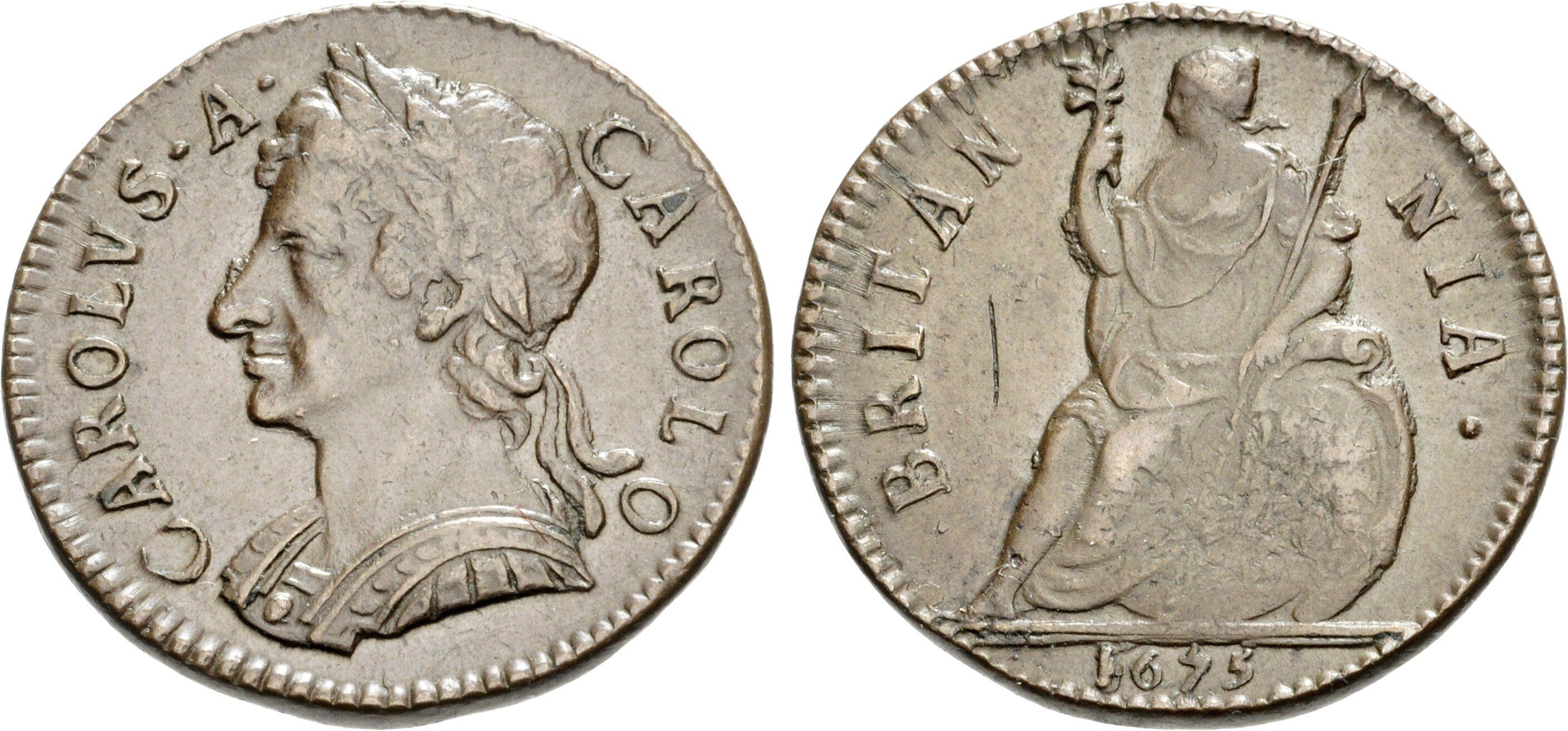
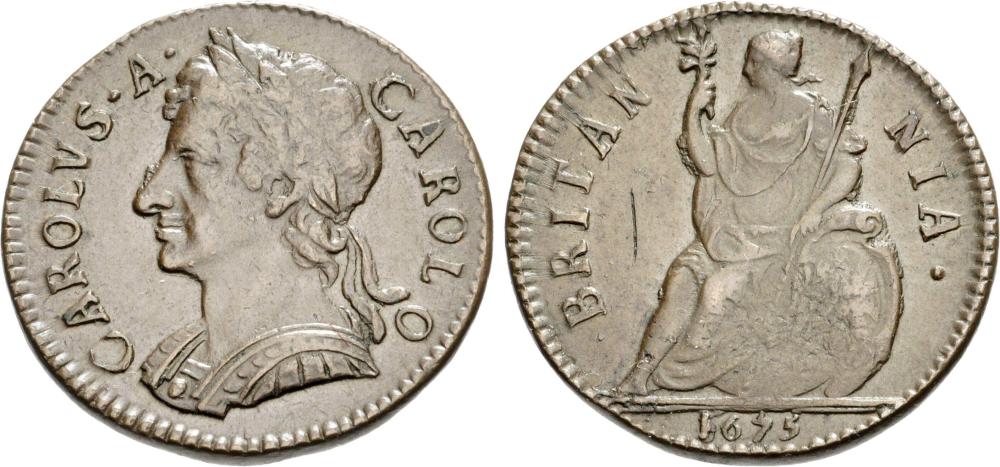
This was a recent pickup in a USA auction, I like the condition of the piece, it being much better than most farthings of that era - but I enjoy the additional cuds on Charles II's nose and Britannia's right arm from the die breaking down. Also it appears as though the numeral 1 in 1675 was repunched - almost appears to have been repunched over a numeral 5!
-
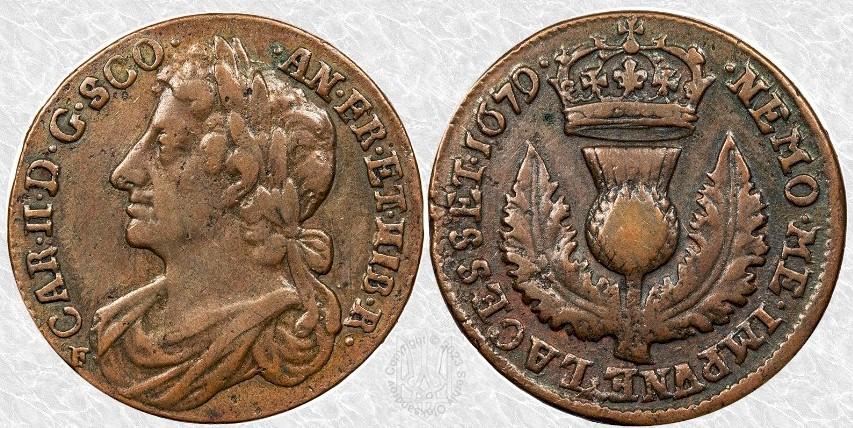
Bawbees are notorious for having circulated deep into the 18th century by which time they were barely identifiable - so this rather decent 1679 example is an exception to the beater bawbee rule.
-
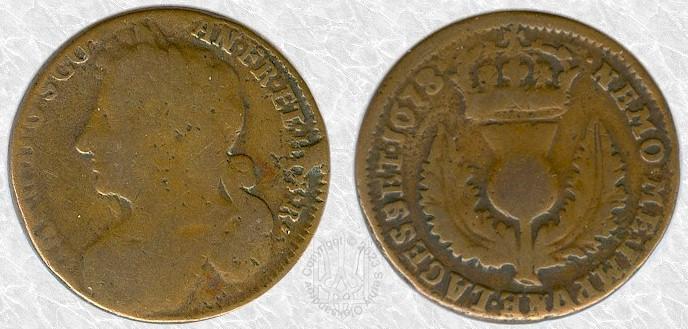
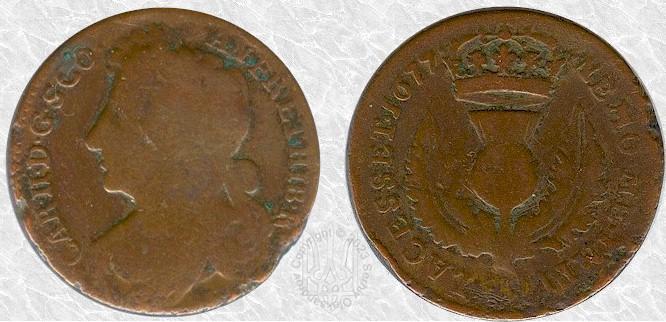
Another well loved bawbee but from King Charles II and dated 1678. And another beater bawbee, this from 1677.
-
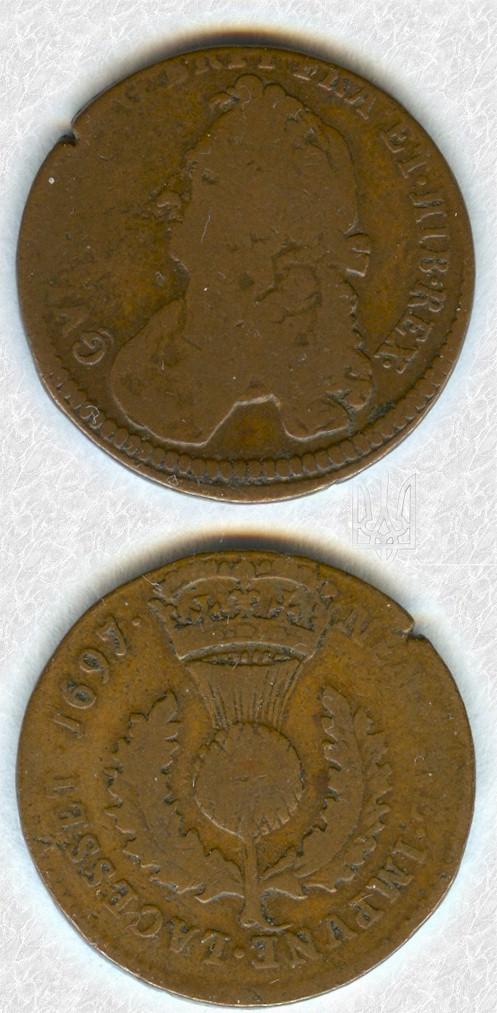
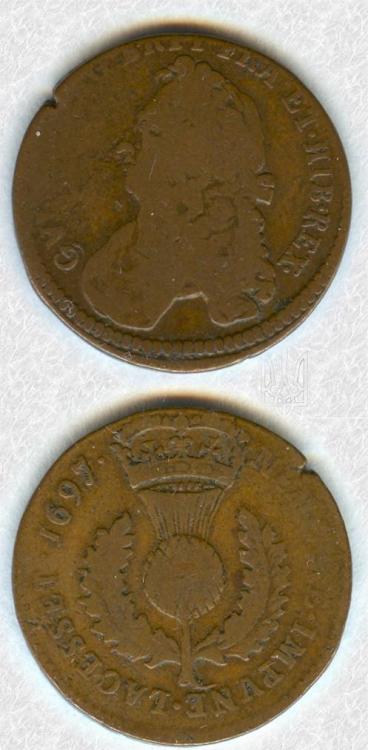
Obviously this bawbee from King William III from 1697 circulated as a halfpenny deep into the 18th century given it's wear pattern
-
Gotta love the large pennies from early in the reign of Victoria:

-
Big piece of British bronze from the Birmingham Workhouse - quite possibly the largest numismatic object struck for actual circulation by Matthew Boulton's steam powered machinery - this weighs almost 2.5 ounces.

-
And then his son Charles II was 6'1"
-
Sure have to love Scottish denominations ie 40d. Largely a result of debasing the coinage and then revaluing it. England was fortunate that debasement only happened during the reign of Henry VIII - and the crown went back on the sterling standard early in the reign of Edward VI. In Scotland debasements started late in the 14th century and continued right up until the reign of Charles I when the currency was brought back to a fixed standard of 12:1 or briefly 13:1 during the late 17th century.
-
Just a note on contemporary counterfeits - they were made to circulate and not fool future collectors - as noted above the penalties were stiff if the forgers were caught. Any counterfeits found in circulation by the authorities would have been destroyed - as a result forgeries are often quite a bit scarcer than the authentic coins. During Queen Mary of Scotland's reign French troops were billeted in Edinburgh - it is believed they were the guilty parties forging low value 2d coins ie bodles with bronze instead of billon as the authentic coins. The forged coins are quite scarce but have a history and are worth more than the reasonably common authentic bodles.
-
They both look like the real things are supposed to - the writing on the edge is the lettered edge that was done when the coin was struck in a lettered collar. It was quite an innovation for the 17th century and was obviously used on higher denomination coins as a safeguard against clipping and counterfeiting. Unfortunately I don't have my 1676 crown imaged - but it circulated a long time - deep into the 18th century as it is also "loved"
-
The one on the left, likely a half-groat, circulated for a very long time to get to that state. And the earliest monarch it could be would be EIII as half groats were not minted before his reign.
-
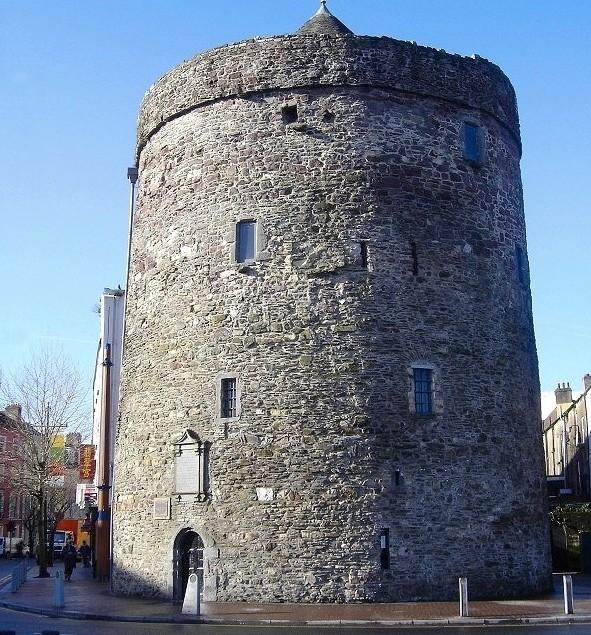
Not oft are medieval mints still around that minted coins during the hammered era - here is an example of an Irish penny from King Edward I that was minted in Reginalds Tower in Waterford Ireland. Reginalds Tower Waterford

-
- 9
-

-
Groats were a very late 13th and mostly mid 14th century thing. They were released in small numbers during the reign of Edward I, but were minted in much larger numbers during the reign of Edward III